
As Australia’s energy landscape continues to evolve, utilities and infrastructure providers are increasingly seeking smarter alternatives to traditional grid extensions. Remote locations, bushfire-prone regions, and environmentally sensitive areas often require energy solutions that prioritise resilience, reliability, and long-term sustainability.
This is where off grid solar solutions are transforming the way energy is delivered across regional Australia.
The Evoenergy Gudgenby Cottage project is a strong example of how a standalone off grid solar system can replace costly network infrastructure while maintaining reliable year-round power. Designed and delivered by Polygon Energy, the project demonstrates the growing role of off grid solar system NSW projects and remote renewable energy solutions in supporting Australia’s transition to a more decentralised energy future.
Rather than maintaining approximately 13 kilometres of high-voltage overhead power lines, Evoenergy adopted a modern approach built around renewable generation, battery storage, and backup generation. The result was a highly resilient standalone off grid solar system capable of operating independently while reducing maintenance costs and bushfire risk.
Gudgenby Cottage is located in a remote area where maintaining traditional electricity infrastructure presented significant operational and financial challenges.
Like many regional locations, extending and maintaining conventional electricity networks required ongoing inspections, vegetation management, and infrastructure maintenance. In bushfire-prone environments, these challenges become even more significant.
Evoenergy recognised that a smarter solution was needed—one that could deliver reliable electricity while reducing dependence on overhead network infrastructure.
This growing trend is driving demand for off grid solar projects throughout Australia. For many utilities and regional asset owners, investing in a resilient off grid solar system NSW solution can provide greater reliability while lowering long-term operational costs.
Polygon Energy was selected to deliver the project from concept through commissioning.
Their responsibilities included:
Rather than simply supplying equipment, Polygon Energy engineered a complete standalone off grid solar systemdesigned specifically for the site’s unique environmental and operational requirements.
Creating a dependable energy system in a remote location requires careful planning and engineering.
Unlike grid-connected installations, a standalone off grid solar system must be capable of generating, storing, and managing electricity independently under varying weather conditions.
Polygon Energy designed a hybrid renewable energy solution incorporating:
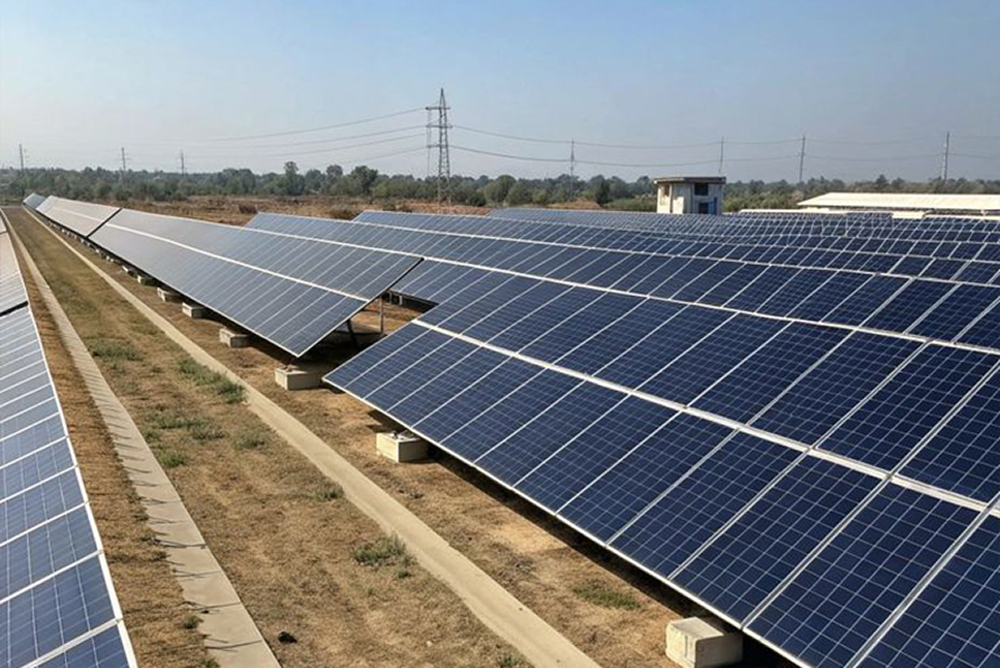
The project included a ground-mounted solar array of approximately 10–13 kW capacity.
As one of the key components of the site’s off grid solar infrastructure, the solar array was designed to maximise renewable energy generation throughout the year while reducing reliance on backup generation.
A 50 kWh battery energy storage system was integrated into the project.
The battery stores excess renewable energy generated during the day and supplies power when solar production decreases. This enables the off grid solar system NSW installation to maintain reliable power delivery regardless of the time of day.
To ensure complete energy security, Polygon Energy also incorporated a 21 kVA diesel generator.
This additional layer of redundancy ensures the off grid solar system can continue operating during prolonged periods of low solar generation or increased energy demand.
The project also included advanced monitoring and control systems that allow operators to monitor performance remotely.
These technologies improve the efficiency and reliability of the off grid solar system NSW installation while reducing maintenance requirements.
Projects such as Gudgenby Cottage highlight the growing importance of decentralised energy infrastructure.
As electricity networks face increasing pressure from extreme weather events, ageing infrastructure, and rising maintenance costs, solutions such as standalone off grid solar system installations provide a practical and scalable alternative.
Across regional Australia, demand for off grid solar projects continues to increase as organisations seek greater energy independence and resilience.
For utilities, councils, remote communities, and critical infrastructure providers, investing in a standalone off grid solar system can deliver measurable benefits, including:
The Gudgenby Cottage project demonstrates how an intelligently engineered off grid solar system NSW solution can successfully replace traditional network infrastructure while maintaining reliable power supply.
As Australia continues its energy transition, decentralised renewable energy systems will play an increasingly important role.
Projects like Gudgenby Cottage show how off grid solar technology can provide a resilient and sustainable alternative to conventional grid connections.
The success of this off grid solar system NSW project highlights the value of combining renewable generation, battery storage, intelligent controls, and robust engineering practices.
For organisations considering a standalone off grid solar system, Polygon Energy’s work demonstrates what is possible when technical expertise, practical innovation, and long-term thinking come together to solve complex energy challenges.
If you’re exploring off grid solar solutions for a remote site, utility project, or critical infrastructure asset, Polygon Energy provides end-to-end engineering, delivery, and commissioning services across Australia.
Visit Polygon Energy’s website to learn more about their renewable energy, battery storage, and microgrid capabilities.
Interested in seeing more real-world examples of off grid solar system NSW and renewable energy projects?
Explore Polygon Energy’s case studies to discover how innovative energy solutions are helping businesses, utilities, and communities build a more resilient energy future.