
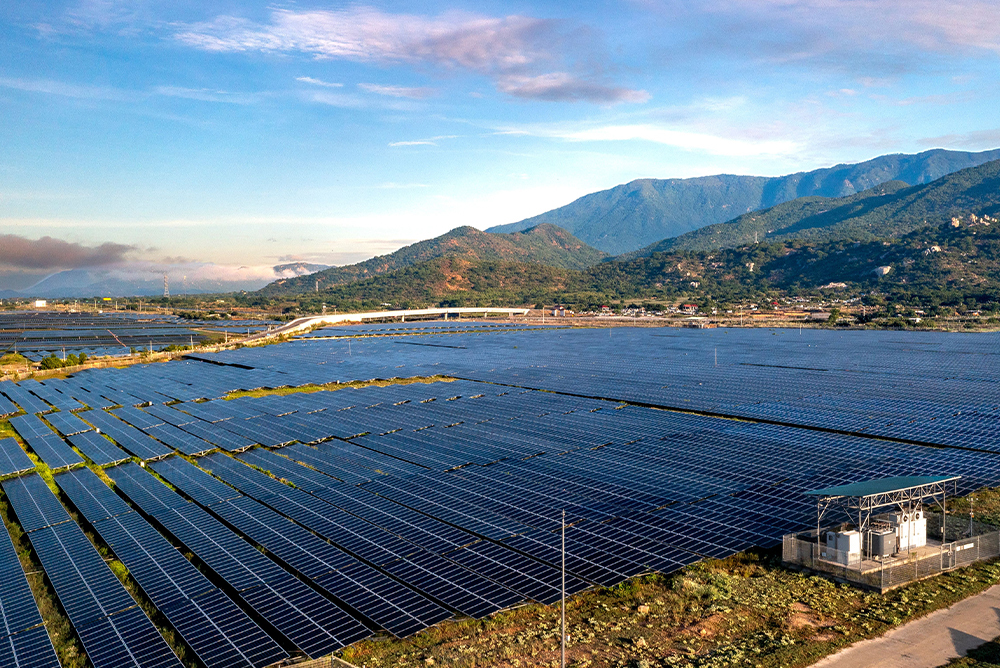
As Australia’s renewable energy sector continues to grow, large-scale solar farms have become critical assets in delivering reliable, clean energy to homes, businesses, and communities. However, installing a solar farm is only the beginning of the journey. The true value of any renewable energy investment is realised through decades of consistent performance, efficient operation, and proactive maintenance.
At Polygon Energy, we’ve seen firsthand how preventative maintenance can make the difference between a solar asset that consistently delivers peak performance and one that slowly loses efficiency due to avoidable faults. Whether it’s a utility-scale solar farm, commercial installation, battery energy storage system, or a Standalone off grid solar system, every renewable energy asset benefits from a structured maintenance program.
While many organisations invest heavily in designing Quality solar systems NSW, maintaining those systems is equally important. Without ongoing inspections, testing, and servicing, even the best-designed renewable energy projects can experience declining performance, unexpected downtime, and increased operating costs.
Large-scale solar projects are designed to operate for 25 years or more. During this time, solar panels, inverters, switchgear, transformers, battery systems, and communication equipment are constantly exposed to harsh environmental conditions.
Extreme heat, UV radiation, heavy rainfall, dust, wind, wildlife, and moisture all contribute to gradual wear and tear. While these changes often occur slowly, they can significantly impact system performance if left unchecked.
Preventive maintenance focuses on identifying these issues before they become costly failures. Rather than waiting for equipment to break down, scheduled inspections and servicing ensure every component continues operating safely and efficiently.
This proactive approach protects your investment while reducing long-term operational costs.
Many solar asset owners underestimate how quickly a minor issue can escalate.
A loose electrical connection may initially reduce power output by only a small percentage. Over time, however, that same connection can generate excessive heat, damage nearby equipment, and potentially lead to inverter failure or safety risks.
Similarly, a damaged cable, faulty bypass diode, or communication issue may initially appear insignificant but can reduce energy generation across multiple strings.
Large-scale solar farms generate revenue every hour they produce electricity. Every unnoticed fault represents lost energy and lost income.
Routine maintenance ensures these problems are detected early, minimising downtime and protecting asset performance.
The success of every solar farm is measured by its energy yield.
Even a 2–3% reduction in generation can translate into substantial financial losses over the lifetime of a project.
Common causes of reduced performance include:
Routine inspections help identify these issues before they impact generation.
At Polygon Energy, our maintenance programs are designed to optimise asset performance while extending equipment life.
Many electrical issues cannot be detected during a visual inspection alone.
Thermal imaging has become one of the most valuable tools in modern solar maintenance.
Infrared inspections allow technicians to identify:
Addressing these issues early significantly reduces the risk of equipment failure while improving overall system reliability.
Solar inverters are often considered the heart of every solar project.
They continuously convert DC electricity into usable AC power while managing communications and system monitoring.
Regular servicing includes:
Preventive servicing extends inverter lifespan while maintaining conversion efficiency.
Solar farms require clear access around modules and electrical infrastructure.
Overgrown vegetation can:
Routine vegetation management not only improves energy generation but also enhances site safety.
Modern monitoring platforms provide valuable operational insights.
However, software alone cannot detect:
This is why physical inspections remain an essential part of every maintenance strategy.
The combination of intelligent monitoring and field inspections provides the highest level of asset protection.
As more renewable energy projects incorporate battery storage, maintenance requirements continue to evolve.
Battery systems require regular inspections of:
Whether supporting a commercial solar farm or providing backup power through a Solar battery NSW solution, battery maintenance plays a critical role in ensuring reliability and long-term performance.
As battery adoption continues to increase across Australia, professional servicing becomes increasingly important for safety and operational efficiency.
Australia’s climate presents unique challenges for renewable energy infrastructure.
Solar farms are regularly exposed to:
Post-weather inspections allow maintenance teams to identify hidden damage before it impacts long-term performance.
Preventive maintenance after severe weather events often prevents far more expensive repairs later.
Replacing major electrical equipment is one of the largest expenses associated with solar operations.
Routine maintenance extends the life of:
Every additional year of reliable operation improves return on investment.
This is particularly important for organisations investing in Quality solar systems NSW, where long-term performance is just as important as initial installation quality.
Preventive maintenance also helps organisations remain compliant with industry standards and warranty requirements.
Scheduled inspections support:
A well-maintained solar farm is not only more productive—it is also safer for maintenance personnel and site operators.
Maintaining a utility-scale renewable energy project requires far more than replacing faulty equipment.
It requires an experienced team capable of analysing performance data, identifying emerging risks, and implementing long-term asset management strategies.
Working with a trusted Solar expert NSW ensures maintenance programs are tailored to the specific needs of each project rather than relying on generic inspection schedules.
Every solar asset is different, and maintenance strategies should reflect the site’s environment, equipment, operating profile, and performance objectives.
At Polygon Energy, we believe maintenance is just one part of delivering long-term renewable energy success.
Our expertise extends across:
As renewable technologies continue to evolve, integrating maintenance with performance monitoring and strategic planning allows clients to maximise every renewable energy investment.
Many organisations planning future expansions also combine maintenance with new Solar and battery installation projects, ensuring both existing and new assets operate as one efficient energy ecosystem.
Whether managing utility-scale infrastructure or supporting businesses looking to invest in Solar and battery installation, long-term maintenance remains the key to achieving maximum performance.
Polygon Energy understands that renewable energy projects are designed for decades—not just years.
Our proactive maintenance services focus on:
We don’t simply repair faults—we help prevent them.
Our experienced engineers work closely with asset owners to improve reliability, reduce downtime, and maximise energy generation throughout the life of every project.
Whether maintaining utility-scale infrastructure, supporting businesses with Solar battery NSW solutions, helping customers invest in Quality solar systems NSW, or providing expert guidance as a trusted Solar expert NSW, Polygon Energy delivers comprehensive renewable energy services backed by technical expertise and proactive support.
Preventive maintenance is not an operational expense—it is a long-term investment in reliability, performance, and profitability.
Large-scale solar projects depend on thousands of interconnected components working together every day. Even a small fault can reduce energy production, increase operating costs, and shorten equipment lifespan if left unresolved.
By implementing a proactive maintenance strategy, solar asset owners can maximise generation, reduce unexpected failures, improve safety, and protect their investment for decades to come.
At Polygon Energy, we are committed to helping renewable energy assets perform at their full potential. From utility-scale solar farms to battery storage systems and integrated renewable solutions, our proactive maintenance programs ensure your energy infrastructure continues delivering reliable, efficient, and sustainable performance for years ahead.
Ready to protect your renewable energy investment? Partner with Polygon Energy for proactive maintenance solutions that maximise performance, minimise downtime, and keep your solar assets operating at their best.