
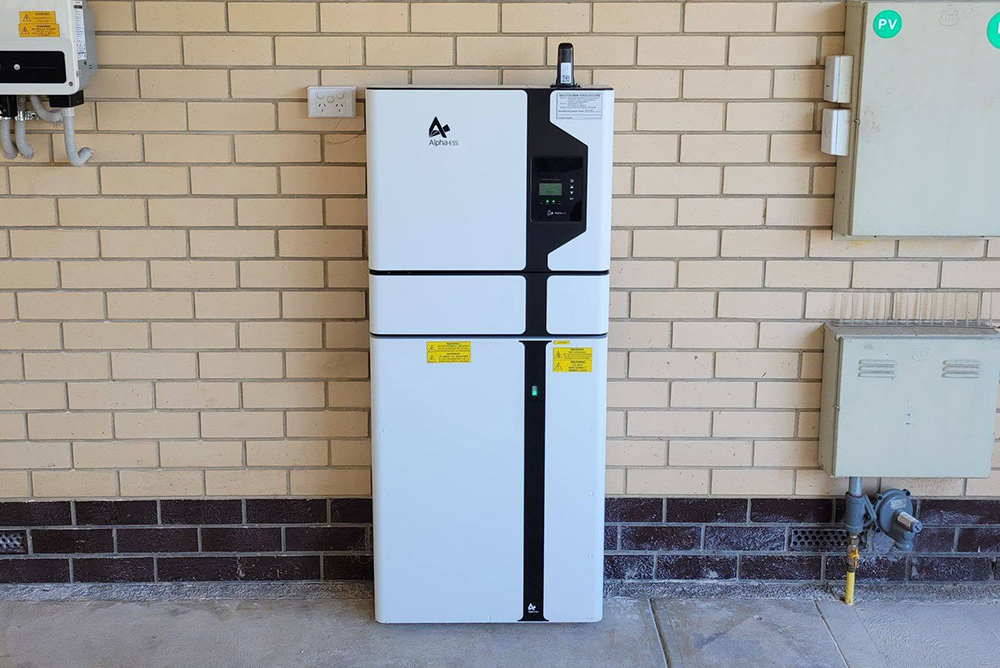
Australia’s transition towards cleaner energy is changing the way homes use, store and manage electricity. Solar panels, home batteries, EV chargers, smart energy management systems and other technologies are becoming increasingly interconnected.
But as the home energy ecosystem becomes more sophisticated, safety and compliance need to remain at the centre of every installation.
For homeowners considering solar, battery storage or a broader electrification upgrade, choosing an experienced energy partner is about more than selecting the right equipment. It is about ensuring that the complete system is properly designed, installed, tested and maintained.
At Polygon Energy, engineering expertise and safety are integral to how renewable energy systems are designed and delivered.
Home electrification involves replacing or reducing reliance on fossil-fuel-based energy sources by using efficient electrical technologies powered increasingly by renewable energy.
This can include:
The objective is not simply to install individual technologies. A well-designed electrification strategy considers how these systems interact and how electricity is generated, stored, managed and consumed across the property.
This makes professional engineering and compliance increasingly important.
The demand for Home Electrification in NSW is growing as households look for ways to improve energy efficiency, increase energy independence and make better use of renewable energy.
However, installing multiple electrical technologies creates a more complex energy environment. Solar generation, batteries, EV chargers and household loads all need to work safely together.
A compliant electrification system therefore starts with understanding the property, its existing electrical infrastructure, energy consumption patterns and future requirements.
At Polygon Energy, this engineering-led approach helps ensure that technology choices are based on the needs of the property rather than simply selling individual products.
Solar PV systems generate electricity whenever sunlight reaches the panels. This means that both the DC and AC sides of the installation require careful consideration.
Incorrect cabling, poor connections, inadequate protection or inappropriate equipment placement can create electrical and fire risks.
Australian standards provide requirements for the design and installation of photovoltaic systems, including AS/NZS 5033, while grid-connected inverter installations are covered by requirements including AS/NZS 4777.
A professional solar installation should therefore consider:
For Polygon Energy, these considerations form part of the engineering process from the beginning—not an afterthought once the installation is complete.
Home batteries can significantly increase the value of solar by allowing excess energy to be stored and used when it is needed.
However, battery systems introduce additional electrical, thermal and fire-safety considerations.
Lithium-ion batteries, which are widely used in modern energy storage systems, require appropriate installation environments and protection against potential faults. Battery placement, ventilation, electrical isolation, protection and emergency access all need to be considered.
Standards such as AS/NZS 5139 provide important requirements for battery energy storage system installations.
This is one reason homeowners should look beyond battery capacity and price when selecting an installer.
The right question is not simply:
It is:
The same principles apply to Home Electrification in Canberra, where households are increasingly looking at solar, batteries, EV charging and intelligent energy management as part of a broader energy strategy.
Canberra homes can have very different energy requirements depending on their property type, household size, heating and cooling needs, EV usage and existing electrical infrastructure.
A one-size-fits-all approach therefore makes little sense.
An experienced energy provider can assess the property’s energy profile and determine how solar generation, battery storage and controllable loads can work together.
Polygon Energy approaches Home Electrification in Canberra through this systems-based lens, combining renewable energy technology with engineering, monitoring and intelligent energy management.
Compliance is sometimes viewed as paperwork that needs to be completed after an installation.
In reality, compliance is closely connected to system reliability.
A correctly designed and installed energy system is better positioned to operate safely, efficiently and predictably over its intended lifespan.
This is particularly important as homes become increasingly dependent on electrical infrastructure.
For example, an electrified home may have solar generation during the day, battery storage in the evening, an EV charging overnight and significant heating or cooling loads during extreme weather.
The energy system needs to be capable of managing these changing loads safely.
That is where engineering matters.
One of the biggest mistakes homeowners can make is choosing products before understanding their energy requirements.
Solar panels, inverters and batteries all have different characteristics. The best combination depends on factors such as energy consumption, roof characteristics, available electrical capacity, expected loads, battery requirements and future electrification plans.
Polygon Energy’s approach is centred on understanding these requirements before recommending an energy solution.
This engineering-first methodology can help homeowners avoid over-sizing, under-sizing or installing incompatible technologies.
Modern electrification is moving beyond simply generating electricity.
Smart meters, monitoring platforms and load-control technologies can provide visibility into how and when energy is being consumed.
This can help households make better use of solar generation, optimise battery charging and manage high-energy loads.
For Polygon Energy, energy intelligence is an important part of creating a more connected renewable energy ecosystem.
Instead of treating solar, batteries and electrical loads as separate products, the focus is on how they can operate together.
A compliant installation is only the beginning of the system’s operational life.
Solar and battery systems should be monitored and maintained to identify potential issues such as:
Ongoing monitoring can provide valuable visibility into system performance and help identify issues before they become significant problems.
For homeowners investing in electrification, this long-term approach can provide greater confidence in the performance and safety of their energy assets.
The growth of residential electrification means homeowners have more technology choices than ever before.
But the quality of an installation depends on more than the products selected.
It depends on the design, engineering, installation, commissioning, monitoring and ongoing support behind those products.
Whether you’re considering Home Electrification in NSW or planning Home Electrification in Canberra, working with an experienced renewable energy provider can help ensure that your system is designed around your actual energy requirements.
Polygon Energy brings together renewable energy technology, engineering capability and energy management to create solutions designed for the way modern homes generate, store and use electricity.
Electrification is more than a technology upgrade. It represents a fundamental change in how homes interact with energy.
Solar can generate it. Batteries can store it. Smart systems can manage it. EVs and electric appliances can consume it.
When these technologies are designed as one integrated system, homeowners can move towards a more efficient and intelligent energy future.
That is the opportunity behind Home Electrification in NSW and Home Electrification in Canberra—and safety and compliance should remain fundamental to every step of that transition.
At Polygon Energy, we believe the future of home energy should not only be renewable. It should be engineered, compliant, intelligent and built to perform.