Polygon Energy is a Canberra electrical contractor (ACT licence 2021893), a NETCC Approved Seller and an SAA-accredited designer, and won NECA’s 2023 Small Business Project of the Year. We design and install commercial solar, battery storage and EV charging for Fyshwick businesses.
Fyshwick’s warehouses, workshops, showrooms and service businesses have different electricity needs. Polygon Energy assesses commercial solar, batteries and EV charging against your interval consumption, tariffs, roof condition, electrical capacity and operating plans, so the proposed system fits the site rather than a standard package.
Solar, battery and EV charging solutions for Fyshwick
Commercial solar for rooftops and car parks
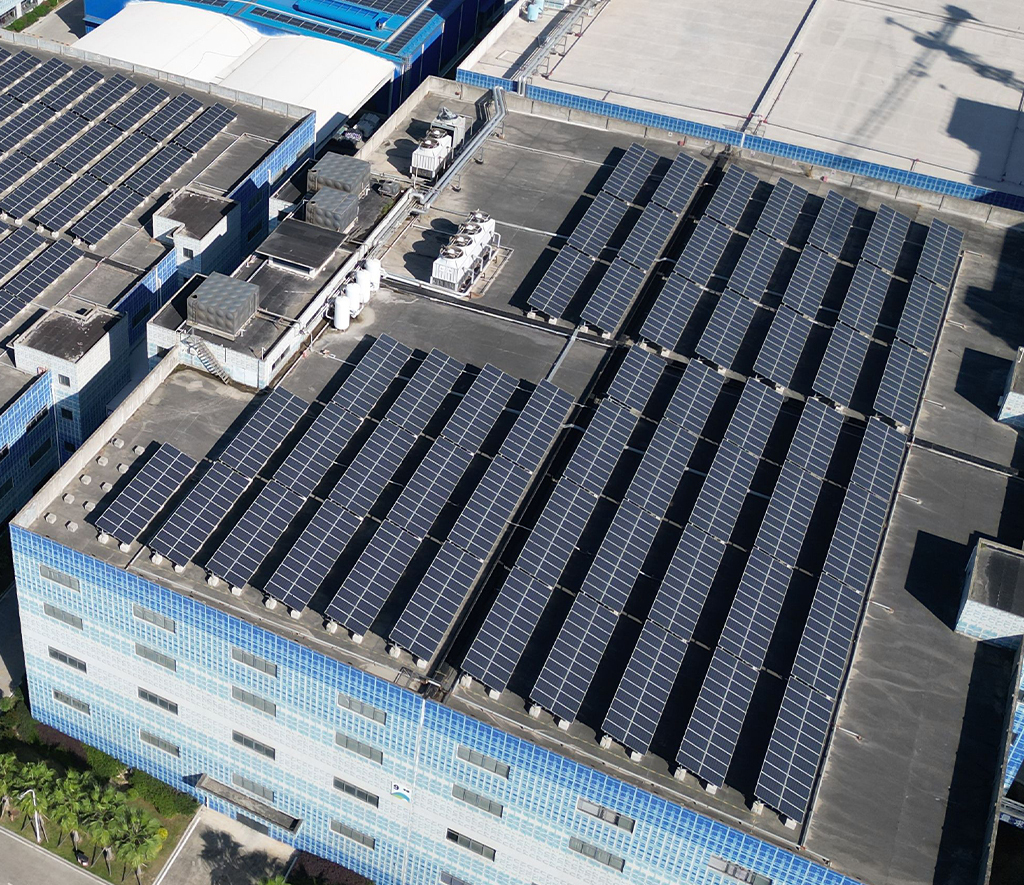
Commercial solar in Fyshwick can offset daytime electricity use in warehouses, workshops and showrooms. We compare smaller systems with 100 kW–1 MW options using interval demand, roof suitability, self-consumption and export assumptions. Solar carports may suit sites with constrained rooftops, subject to civil, traffic and electrical assessment.
Commercial battery storage
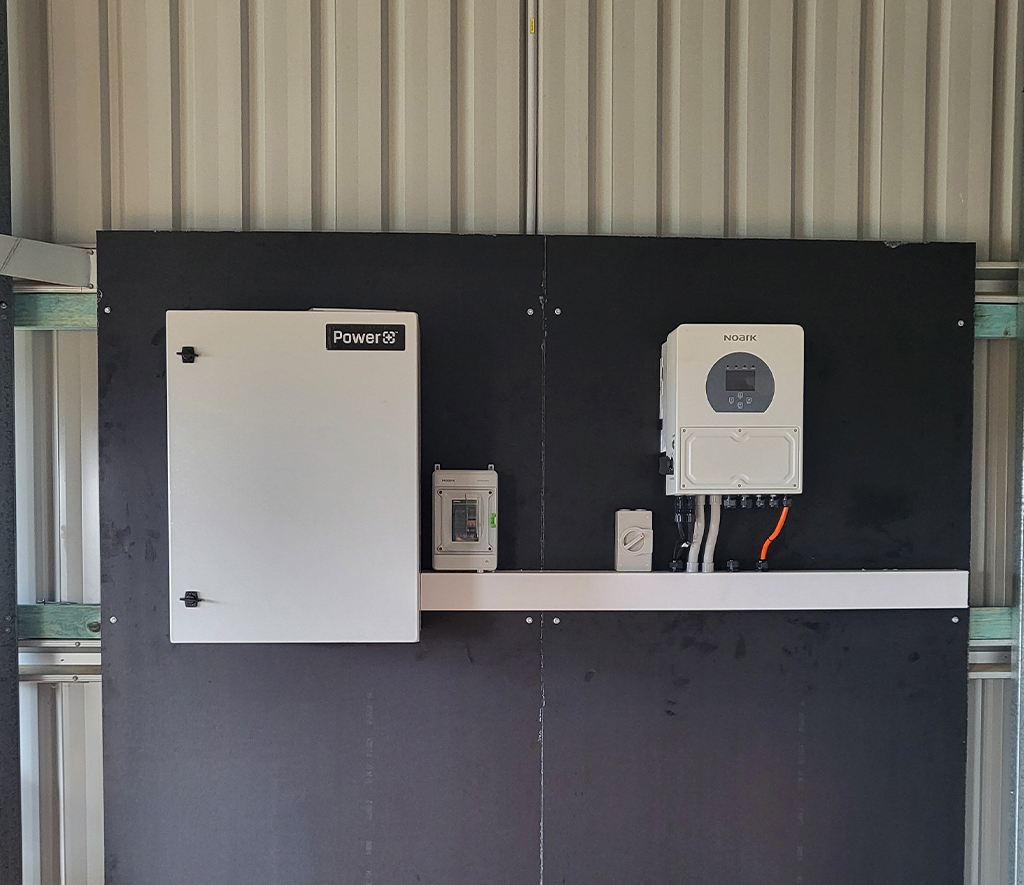
Batteries can shift surplus solar into later operating hours, reduce selected demand peaks or support defined essential circuits. These are different applications: outage backup requires suitable islanding and protection, and savings depend on the site’s tariff, usable capacity and controls.
Fleet and workplace EV charging
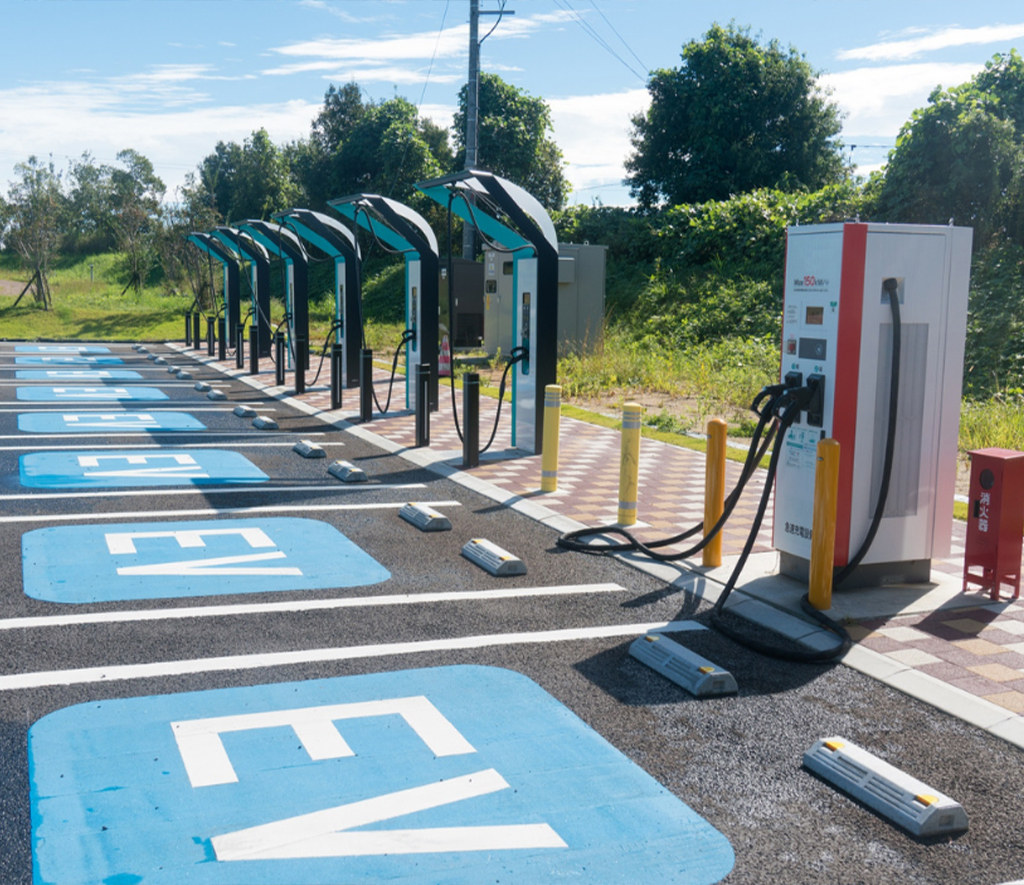
Vehicle schedules, parking turnover and existing site demand determine the charging design. Managed charging can prioritise fleet vehicles and distribute demand; customer-facing charging also needs an assessment of dwell time, access and utilisation.
Fyshwick's commercial energy context
The ACT Inner South District Strategy forecasts approximately 24,400 jobs in Fyshwick by 2050.
These are cumulative postcode records, not a count of active Fyshwick business systems.
Evoenergy’s 2025 planning report describes earlier Fyshwick feeder upgrades and a separate Section 38 shortfall forecast at 10.5 MVA by 2030. For larger projects, early supply, export and maximum-demand assessment matters.
Clean Energy Regulator records · Postcode 2609
317
Recorded solar installations
10.628 MW
Total installed solar capacity
33.53 kW
Average recorded system size
Sources: ACT District Strategy (2023), Clean Energy Regulator small-scale installation data for postcode 2609.
Who we work with in Fyshwick
Warehouses and wholesalers
Daytime loads, refrigeration, conveyors and fleet return times.
Automotive workshops
Compressors, hoists, demand peaks and service vehicle charging.
Showrooms and offices
HVAC, lighting, customer parking and tenancy arrangements.
Food and cold storage
Refrigeration, essential loads and continuity requirements.
Light industry and fabrication
Variable machinery loads and electrical starting currents.
Commercial solar and battery incentives
Federal solar certificates
From 1 October 2026, eligible solar systems between 100 kW and 1 MW can create STCs with a fixed five-year deeming period. We compare STCs with REGOs for each project, because the better option depends on your financial and emissions-reporting goals.
Federal batteries
The Cheaper Home Batteries Program covers qualifying batteries of 5–100 kWh nominal capacity, with certificates on the first 50 kWh of usable capacity. A battery paired with a 100 kW–1 MW solar system needs project-specific confirmation, which we obtain before quoting.
ACT Sustainable Business Program
Eligible ACT businesses can get a free assessment and co-funded support of up to
$10,000
for energy or water upgrades
and up to
$3,000
for an eligible EV charger
Commercial property and project arrangements
Owner-occupiers
can align electricity savings with asset life and expansion plans
Tenants
need consent, roof rights, metering and end-of-lease terms
Strata and multi-tenant
sites also need shared-infrastructure and benefit-allocation decisions before detailed design.
Engineering experience and real projects
Polygon Energy's work includes
NECA's 2023 Small Business Project of the Year and projects for Evoenergy and Tamworth Regional Council.
Our case studies show each project’s system size, the problem we solved and the results.
Examine 12 months of bills, interval data, tariffs and operating requirements
Inspect the site
Assess roof or land, switchboards, metering, supply and Fyshwick feeder capacity
Model options
Compare solar generation, storage dispatch, charging schedules and network conditions
Confirm feasibility
Review connection approvals, incentives, commercial structure and delivery risks
Plan delivery
Set out installation, commissioning, monitoring and handover requirements
Frequently Asked Questions
Can a 250 kW solar system in Fyshwick qualify for STCs?
Yes, if it is installed on or after 1 October 2026 and meets the scheme’s eligibility rules. Systems between 100 kW and 1 MW use a fixed five-year deeming period, and we confirm eligibility against the Clean Energy Regulator’s rules before quoting.
Will batteries eliminate commercial demand charges?
No. A correctly sized battery can lower selected demand peaks, but it won’t remove demand charges entirely. The saving depends on its discharge power, controls and your tariff windows.
Can a tenant install solar on a Fyshwick warehouse?
Yes, with owner consent and clear agreements covering roof rights, lease term, metering, insurance, maintenance and savings.
Does the Section 38 constraint prevent new connections?
No. The forecast doesn’t block new connections. Evoenergy assesses each site’s proposed exports and loads.
Can solar be installed on an older or asbestos-containing roof?
Not until the roof has been assessed. Structural condition, remaining roof life, safe access and any asbestos remediation must be resolved before installation.
Can a commercial battery run a workshop during an outage?
Only for nominated loads. A compliant backup design can keep selected circuits running; motor starting currents and the required run time are modelled first.
Are ACT business incentives available?
Yes, for eligible businesses. The ACT Sustainable Business Program and federal STCs both apply to commercial sites, and approval and current conditions are checked before work begins.
Start with your site and energy data
Share your site address, electricity bills, operating hours, roof or lease details and planned equipment or fleet changes. Polygon Energy can assess a project pathway grounded in your energy use and property requirements.