Industrial Solar, Battery Storage & Depot EV Charging in
Hume ACT
Energy infrastructure engineered for industrial operations.
Polygon Energy is a Canberra electrical contractor (ACT licence 2021893), a NETCC Approved Seller and an SAA-accredited designer, and won NECA’s 2023 Small Business Project of the Year. We design and install commercial solar, battery storage and EV charging for Hume businesses.
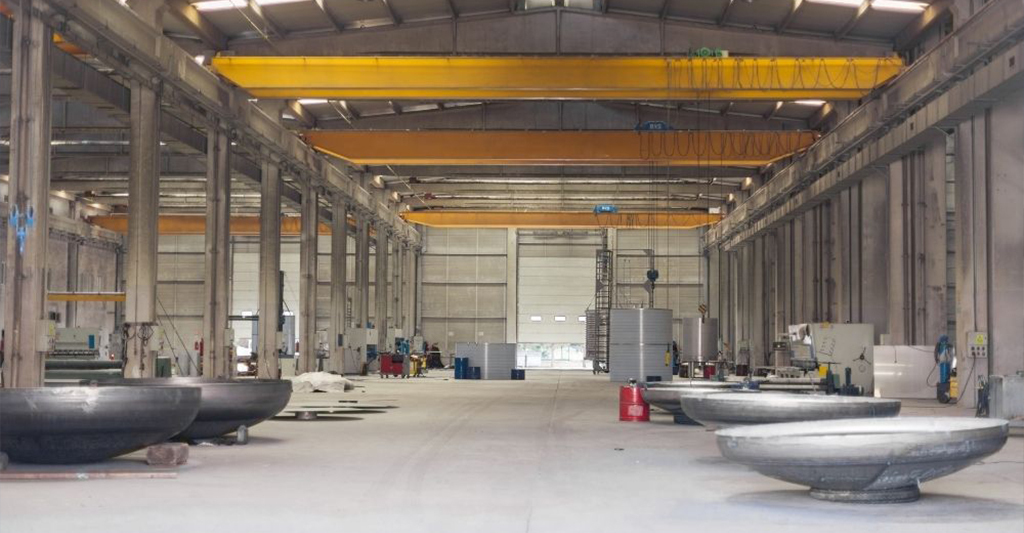
Manufacturing plants, distribution centres, cold-storage sites and heavy vehicle depots in Hume need energy systems designed around shifts, process loads and fleet schedules. Polygon Energy develops industrial solar, storage and charging feasibility around the site’s electrical infrastructure, network pathway and operational priorities.
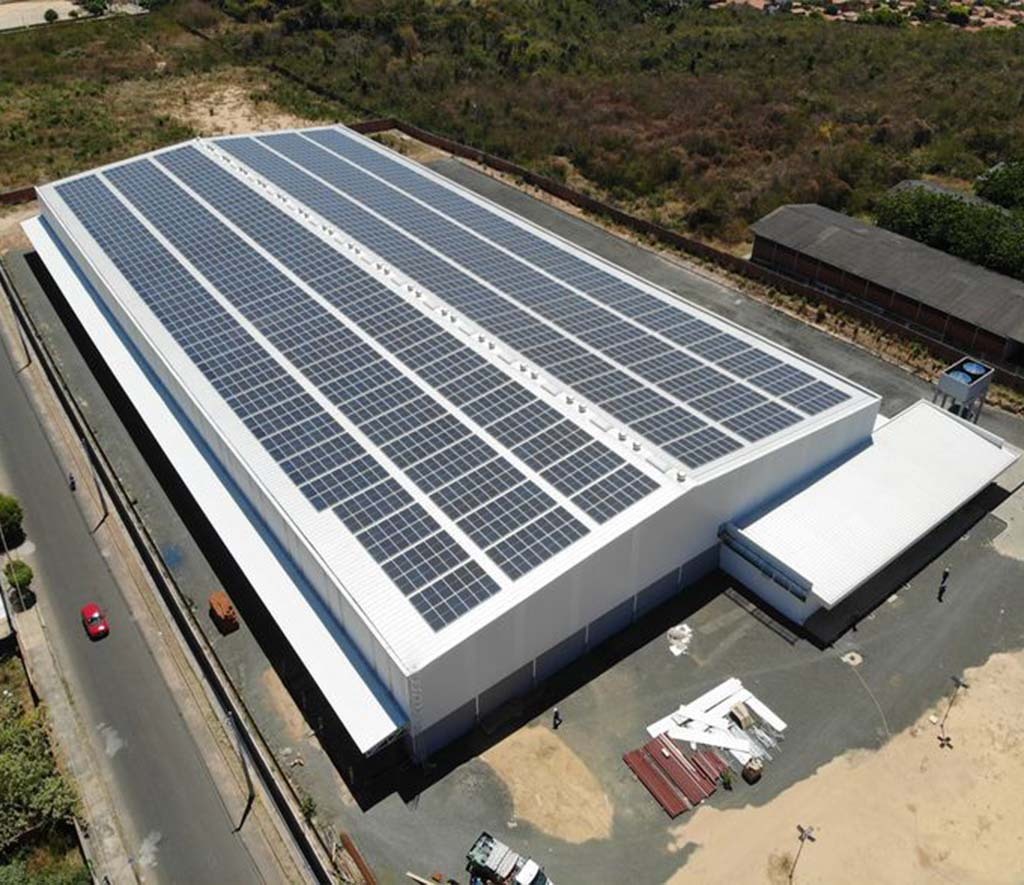
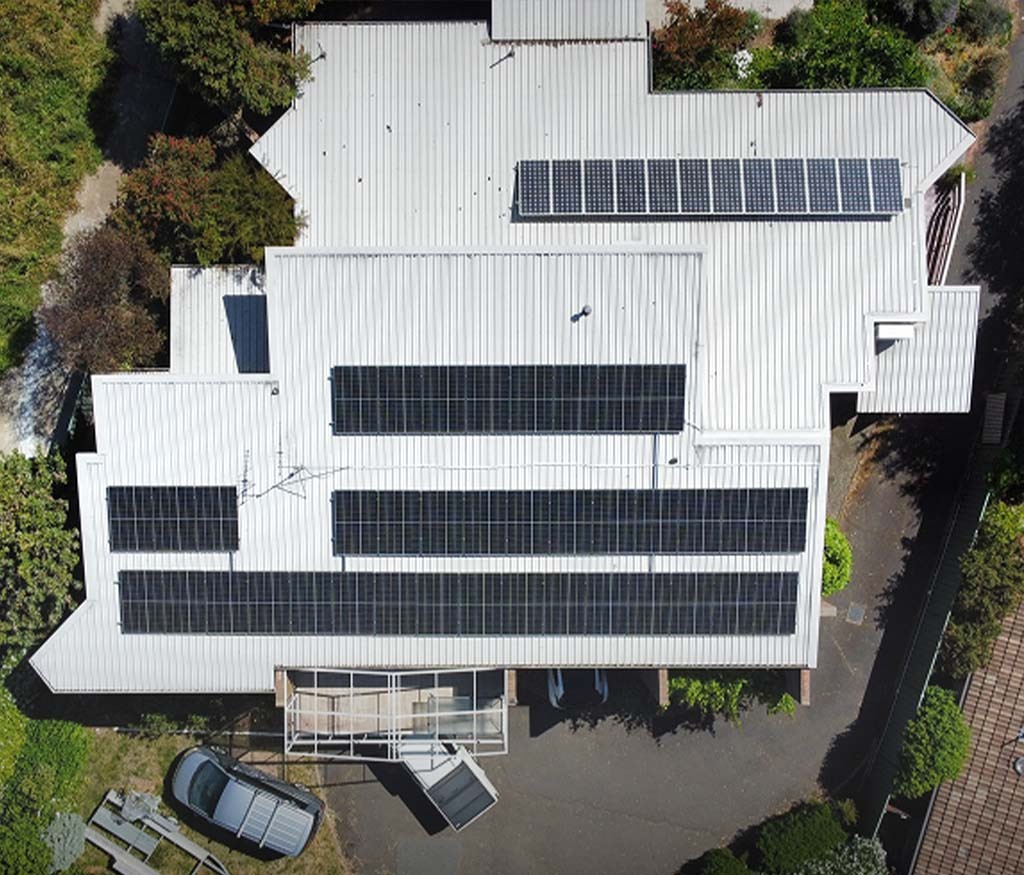
Hume’s larger roofs and yards may support rooftop, ground-mounted or carport solar. The design compares generation against shift-based demand, network exports and future loads. Eligible 100 kW–1 MW installations may have access to the expanded STC pathway, subject to current regulator rules.
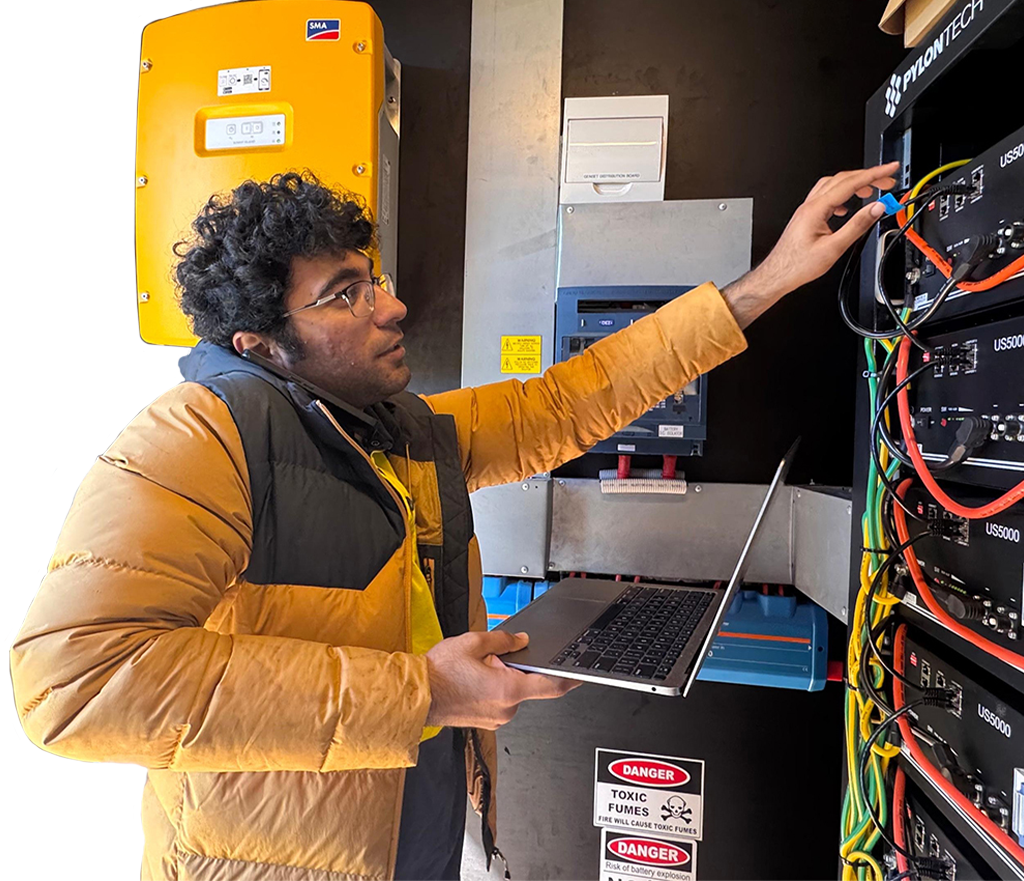
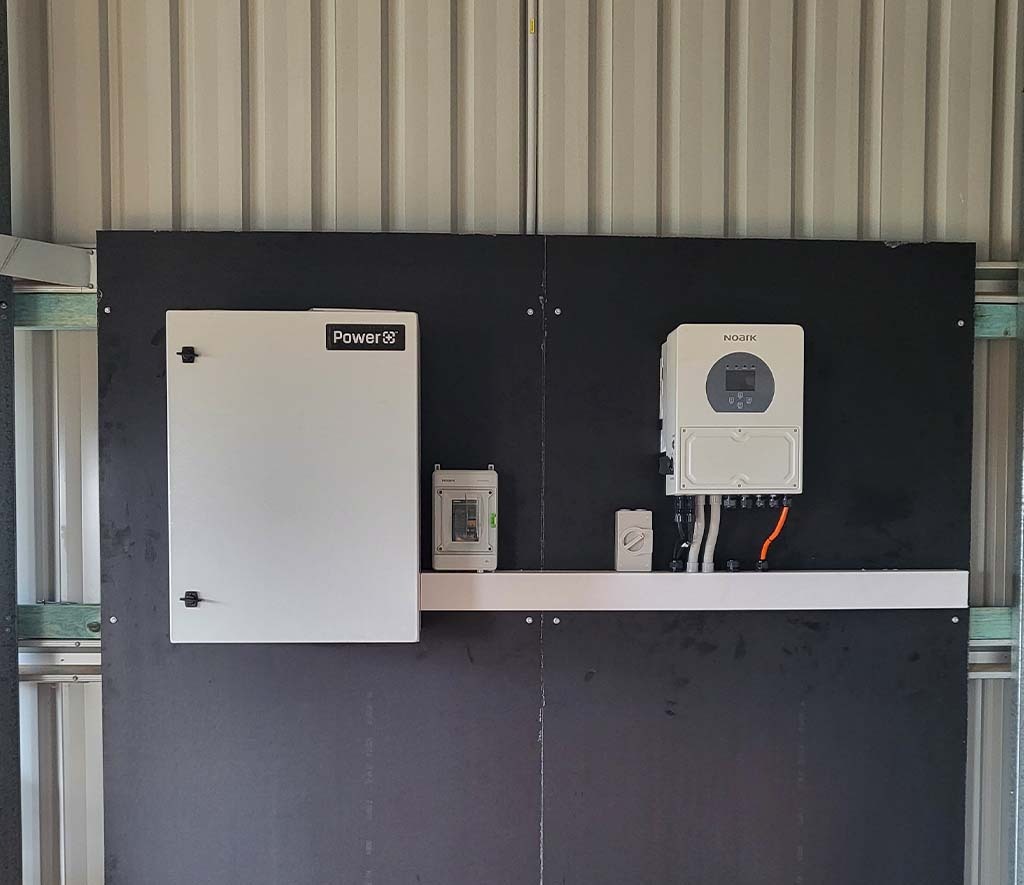
Commercial batteries and generator coordination
Battery storage may manage selected peaks, capture solar generation or support defined continuity loads. Existing generators require deliberate coordination of controls, protection, changeover and restoration sequencing. Grid-connected storage alone is not blackout backup.
AC and DC depot charging
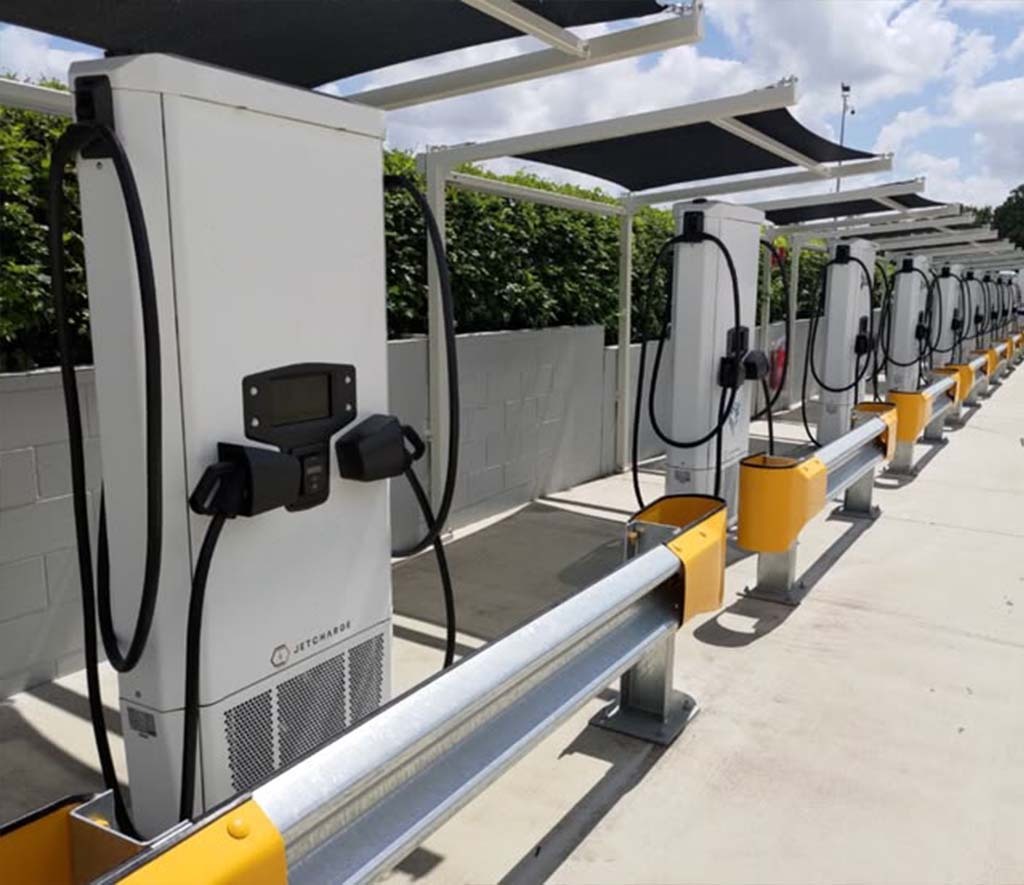
Charging power should follow vehicle routes, dwell time and required energy before departure. Managed AC or lower-power DC may suit overnight fleets; rapid turnaround may need higher-power DC, staged electrical infrastructure and connection studies.
Hume West capacity and industrial growth
The 2025 Annual Planning Report forecast a Hume West feeder shortfall rising to 7.2 MVA and described a Gilmore-to-Hume West feeder project. The project’s current status can be confirmed through the latest available network planning information.
A network constraint is not a blanket refusal: transformer capacity, maximum demand, exports, battery controls and staged charging need site-specific review.
Gilmore-to-Hume West feeder project
7.2 MVA
Forecast Hume West feeder shortfall
Sources : Annual Planning Report 2025 and ACT District Strategy (2023).
Who we work with in Hume
Manufacturing and processing
Shift loads, machinery peaks and power quality
Freight and distribution
Warehouse demand, fleet charging and dispatch windows
Food production and cold storage
Refrigeration, backup priorities and generator coordination
Resource recovery
Variable equipment loads, dust, fire and access constraints
Heavy vehicle depots
AC/DC charging, dwell times and transformer planning
Commercial Solar and Battery Incentives for Hume Businesses
Examine 12 months of bills, interval data, tariffs and operating requirements
Inspect the site
Assess roof or land, switchboards, metering, transformer capacity and the Hume West feeder
Model options
Compare solar generation, storage dispatch, charging schedules and network conditions
Confirm feasibility
Review connection approvals, incentives, commercial structure and delivery risks
Plan delivery
Set out installation, commissioning, monitoring and handover requirements
Frequently Asked Questions
Can a 1 MW Hume solar system receive STCs?
Yes, if it is no larger than 1 MW, installed on or after 1 October 2026 and meets the scheme rules. We confirm the threshold and equipment requirements before quoting.
Will a battery avoid a transformer upgrade?
Sometimes, but not automatically. Load-flow and demand modelling shows whether managed charging or storage can defer an upgrade.
Should a Hume depot choose AC or DC chargers?
Overnight depots can often use managed AC or lower-power DC; fleets with quick turnarounds usually need higher-power DC. The starting point is how much energy each vehicle needs before it departs.
Can a battery power a factory during an outage?
Only for designated loads, through a compliant islanded design. Longer or higher-power continuity usually needs a generator as well.
What does the Hume West feeder forecast mean?
It means you should talk to Evoenergy early. It doesn’t decide whether an individual project will be approved.
Can industrial tenants install solar?
Yes, with owner consent and suitable roof, metering, finance and end-of-lease arrangements.
Are ACT industrial sites banned from new gas connections?
Not in every case. Industrial-zone exemptions may apply to specialised processes, so confirm the current rules for your land use.
Start with your site and energy data
Share your site address, electricity bills, operating hours, roof or lease details and planned equipment or fleet changes. Polygon Energy can assess a project pathway grounded in your energy use and property requirements.