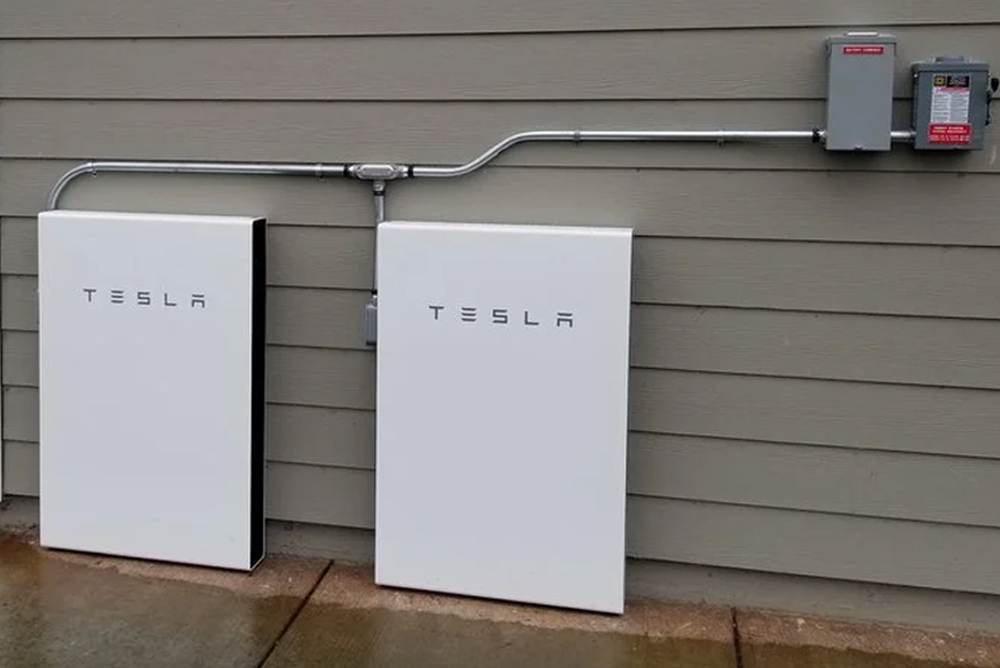
The Cheaper Home Batteries Program is a federal scheme that reduces the upfront price of a home battery through Small-scale Technology Certificates (STCs). It began on 1 July 2025 and gives households an upfront discount to help them store solar energy and reduce electricity bills. The discount depends on your battery size and installation date. It is a major national battery incentive, and at Polygon Energy we help ACT and NSW households work out exactly what it means for their home. This guide answers the questions we hear most.
What is the Cheaper Home Batteries Program?
The Cheaper Home Batteries Program is an Australian Government initiative delivered through the Small-scale Renewable Energy Scheme. The discount is applied through the creation and trading of STCs. In practice, your installer handles the paperwork and takes the value of those certificates off your quote, so you pay less on the day instead of waiting for a refund.
The aim is simple: make it cheaper for households to store the solar power they generate during the day and use it in the evening, when grid prices are typically highest.
Who is eligible?
Households, small businesses and community organisations can generally claim. The rules that matter most are:
- Size: The program supports batteries up to 100kWh, but no STCs are created for capacity beyond 50 kWh.
- Product: The battery must be new and on the approved product list.
- Solar: The battery must be paired with a solar system, either new or existing.
- Installer: A compliant home battery installation must be carried out by an accredited installer, and the work is subject to regulator inspection.
If you are unsure whether your property or product qualifies, ask for eligibility to be confirmed in writing before you sign anything.
How much will I save?
Under the Cheaper Home Batteries Program, the discount is based on your battery’s usable capacity multiplied by an STC factor. One retailer’s table lists a factor of 8.4 for January to April 2026 and 6.8 for May to December 2026. A 10 kWh battery at 6.8 would earn about 68 STCs. At a market price near $40 per STC, that is roughly $2,700, though certificate prices move.
The structure changed on 1 May 2026:
- Smaller batteries still receive the full discount, while larger batteries receive a lower discount as their size increases.
- As widely reported, the tiers are the first 14 kWh at full value, 14 to 28 kWh at about 60%, and 28 to 50 kWh at about 15%.
- The rebate is also expected to decline faster, dropping twice a year instead of annually.
The practical lesson is that bigger is not always better. For many homes, a well-sized mid-range battery delivers the best value per dollar. Check the Department of Climate Change, Energy, the Environment and Water (DCCEEW) website for the current factor before you decide.
Does the rebate apply in NSW?
Yes. The federal discount applies in every state, so any battery rebate NSW enquiry is covered by the same national rules as the ACT, Victoria or Queensland. If you are shopping for a solar battery NSW households can connect to a virtual power plant (VPP), there is also a state-based battery incentive. The BESS2 incentive requires connection of an eligible home battery to a VPP. Rules for combining state and federal support vary, so we confirm the details for each customer before quoting.
What about Canberra and the ACT?
Canberra homes are in the ACT, so state-specific battery rebate NSW listings do not apply to you. The Cheaper Home Batteries Program does apply, because it is a federal scheme. ACT residents should also check the ACT Government’s Sustainable Household Scheme for any additional finance support, as availability and terms can change.
Because we are based in Canberra and work across both jurisdictions, we can explain which rules apply on each side of the border. That matters for customers in Queanbeyan, Yass, Goulburn and the surrounding NSW region, who often assume they are covered by the wrong scheme.
What does a battery installation involve?
A compliant home battery installation follows a clear sequence. Here is how we run ours:
- Site assessment: We review your switchboard, solar system, roof or wall space and usage patterns.
- System design: We size the battery to your real consumption, not to a sales target.
- Written quote: It shows the STC discount, the total price and the expected installation date.
- Installation: Our licensed team installs and commissions the system safely.
- Inspection and sign-off: The Clean Energy Regulator carries out inspections and can take compliance action to protect customers.
- Monitoring: We help you set up real-time monitoring so you can see the savings.
A combined solar and battery installation follows the same steps, with the addition of panels and an inverter designed around your roof.
Does the installation date matter?
Yes, and it catches many people out. Rebates are determined by the installation date, not when a contract is signed. A home battery installation booked months ahead may therefore receive a lower discount if it slips into a later rebate period. The Clean Energy Regulator has also warned retailers not to promise installations they cannot complete on time. We give realistic timeframes and put them in writing.
Can I add a battery to existing solar, or buy both together?
Both work. If you already have panels, we can usually add a battery, and we will check whether your inverter is compatible. If you are starting from scratch, a solar and battery installation lets us design the whole system around your usage. For a solar battery NSW or ACT household with high evening demand, the right battery size matters because larger batteries now earn a smaller discount per kWh.
We also work with Tesla products, and our portfolio includes a project titled “High-Performance Solar with Seamless Tesla Integration.”
How do I choose a trustworthy installer?
Use this checklist, whoever you choose:
- Check the installer’s licence, accreditation and the battery’s eligibility.
- Ask for a quote that shows the battery rebate NSW or ACT discount amount, installation date and total price.
- Compare options for solar battery NSW homes using usable kWh, not just headline capacity.
- Confirm warranty terms and aftercare for the home battery installation.
- Ask whether the solar and battery installation can genuinely be completed on the date promised.
Why Canberra households choose Polygon Energy
If you are planning a home battery installation in Canberra, here is why we are a strong fit:
- Local: Our ACT office is at Level 5, 1 Moore Street, Canberra, and we serve both the ACT and NSW.
- Licensed: We hold ACT Electrical Contractor Licence No. 2021893.
- Accredited: We carry Solar Accreditation Australia (SAA) accreditation and a New Energy Tech Consumer Code (NETCC) certificate.
- Recognised: We have won a NECA award and work with Tesla.
- Experienced: Our work ranges from home systems to standalone off-grid systems for utilities and councils, and even a 3 MW solar and 5 MWh battery storage project.
- Transparent: We publish real project results rather than vague promises.
Case study: 90% bill reduction in just 4 years
One of the most compelling results on our case study page is a household project titled “90% Bill Reduction in Just 4 Years.”
- Objective: Take control of rising electricity costs and cut a household’s reliance on the grid. [Add: the customer’s starting situation, such as their average quarterly bill and number of occupants.]
- Solution: A solar system designed and installed by our team. [Add: system size, panel and inverter brand, and battery capacity if one was included.]
- Result: A 90% reduction in electricity bills over four years. [Add: dollar savings per year, payback period and whether the figure is measured or estimated.]
A result like this shows what good design can do over time. A well-planned solar and battery installation keeps working year after year, because the system is sized to the household’s real usage and the savings compound.
The same logic applies if you are comparing a solar battery NSW option or a system in Canberra: ask for measured results, not just estimates, and make sure your quote claims every available battery incentive. Our other published projects follow the same pattern, including “23.6 kW Solar with Battery Near-Zero Electricity Bills” and “Smart Solar Design Delivers Near-Zero Bills and 90% Savings.” You can see them all at polygonenergy.com.au/case-study-page.
For anyone planning a battery in Canberra, this is the kind of long-term result a well-designed system should aim for, and it is why we are the right choice if you want a local team that stands behind its work.
Is a home battery worth it?
It depends on your tariff, solar generation, evening usage and battery size. A battery incentive reduces the upfront cost, and the battery rebate NSW households receive through STCs is a significant part of the saving. Compare the net price after the discount with your expected bill savings, and size the battery to your actual daily usage rather than oversizing it. A free assessment from an installer who will tell you when a battery is not worth it is more valuable than a hard sell.
How long will the program run?
The Government expanded funding from $2.3 billion to an estimated $7.2 billion over four years. The scheme is expected to run to 2030, but the rebate steps down over time, so the battery incentive is worth more earlier than later. If you are thinking about a battery, getting a quote sooner rather than later helps you understand your timing.
Key takeaways
- The Cheaper Home Batteries Program gives an upfront discount through STCs, with smaller batteries receiving the most generous support.
- Battery rebate NSW eligibility follows the federal rules, with a possible extra state incentive for VPP-connected batteries.
- A solar battery NSW or ACT buyer should check usable capacity, the STC factor and installation timing.
- A solar and battery installation should come with a written quote showing the discount.
- In Canberra, a local installer with licensing, accreditation and published case studies is the safest choice.
- Always confirm current figures with DCCEEW or the Clean Energy Regulator, as details can change.
Ready to plan your battery? Contact Polygon Energy through polygonenergy.com.au or call our Canberra office on 02 6130 0808 for a free, no-pressure quote.