Commercial Solar, Battery Storage & EV Charging in
Mitchell ACT
Practical energy systems for northern Canberra's trade and service businesses
Polygon Energy is a Canberra electrical contractor (ACT licence 2021893), a NETCC Approved Seller and an SAA-accredited designer, and won NECA’s 2023 Small Business Project of the Year. We design and install commercial solar, battery storage and EV charging for Mitchell businesses.
Mitchell workshops, automotive businesses, trade suppliers, warehouses and showrooms often work with limited roof, parking and electrical capacity. Polygon Energy assesses commercial solar, battery storage and managed EV charging against your operating hours, tariff, property arrangements and planned equipment or fleet growth.
Solar, battery and EV charging solutions for Mitchell
Commercial solar sized to actual demand
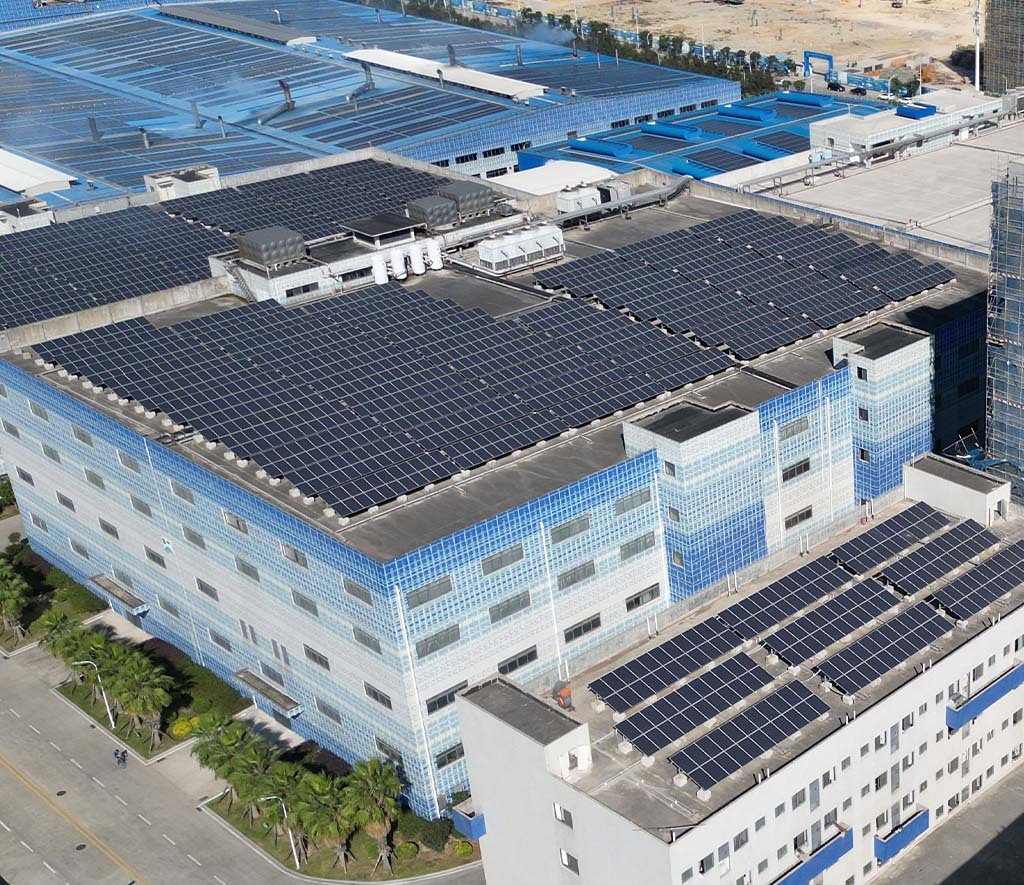
For workshops and warehouses, the right system reflects daytime consumption, usable roof area and export conditions, not roof size alone. Smaller commercial systems may suit constrained sites; eligible 100 kW–1 MW projects require a documented STC-versus-REGO decision.
Battery storage for workshops and trade businesses
Storage can reduce selected demand peaks, shift solar generation and manage new electrical loads. Backup for compressors, refrigeration or other essential equipment requires separate power and islanding design.
Managed EV charging and solar carports
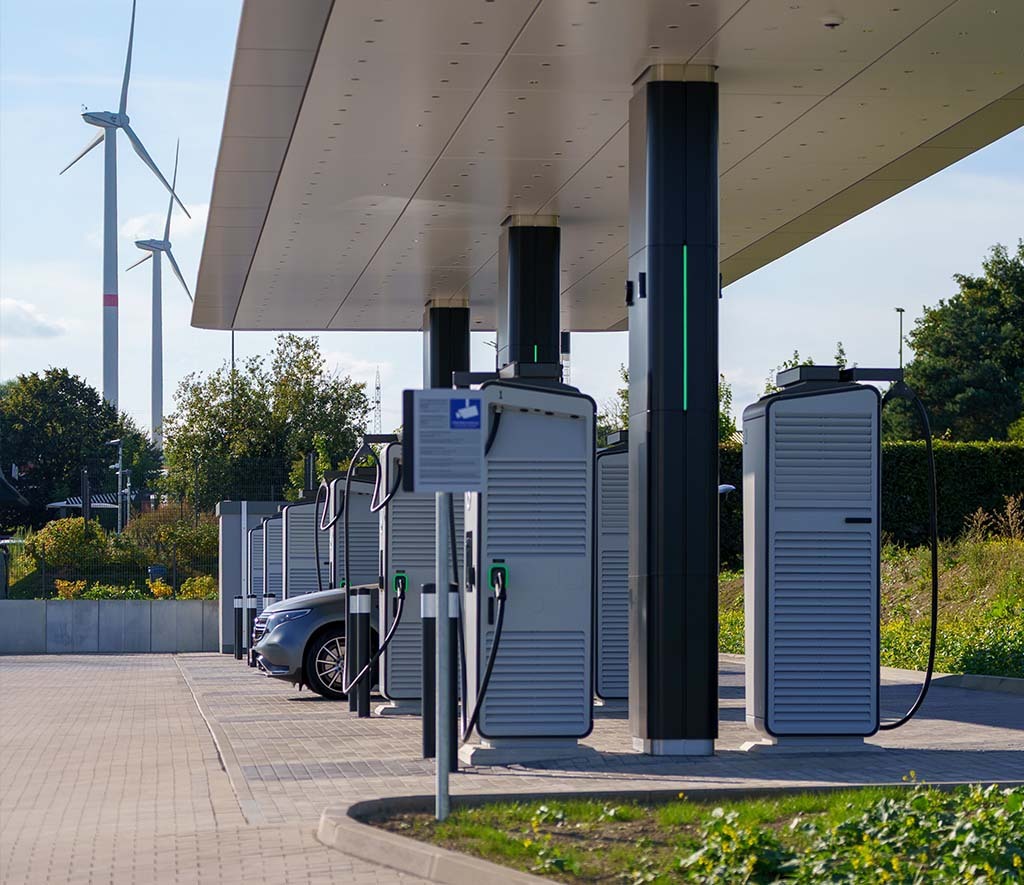
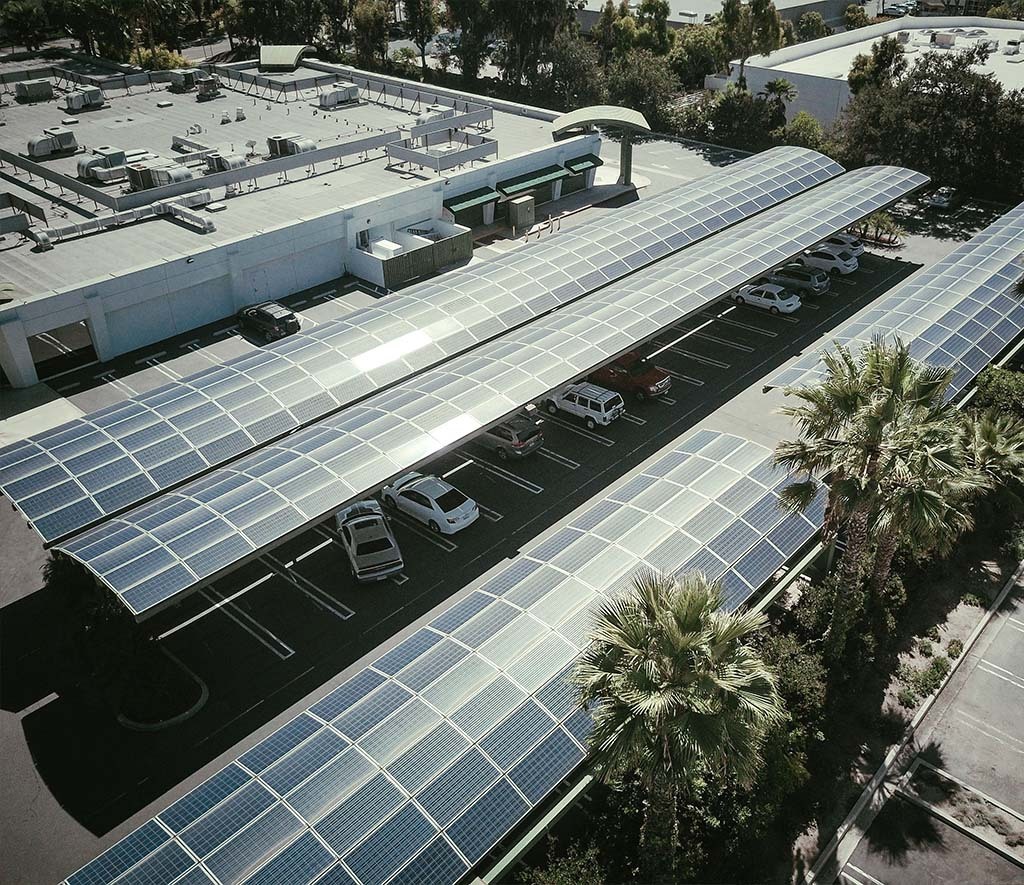
Mitchell’s service fleets and customer-facing businesses need charging matched to dwell times, site capacity and parking use. Dynamic load management and staged cabling can support growth. Carports are considered where roof constraints make them worthwhile.
Anticipated early planning period for Mitchell Zone Substation
11.53 kW
Average recorded system size
9.296 MW
Total recorded solar capacity
Sources: ACT Gungahlin District Strategy (2023).
Who we work with in Mitchell
Trades and workshops
Compressors, welding, machinery and demand spikes
Warehouses and trade suppliers
Rooftops, handling equipment and delivery vehicles
Automotive businesses
Workshop loads, demonstrator and customer charging
Food and fitness premises
Refrigeration, HVAC and non-daytime demand
Showrooms and retail
Lighting, customer dwell time and shared parking
Commercial solar and battery incentives
Federal solar certificates
From 1 October 2026, eligible solar systems between 100 kW and 1 MW can create STCs with a fixed five-year deeming period.
We compare STCs with REGOs for each project, because the better option depends on your financial and emissions-reporting goals
Federal batteries
The Cheaper Home Batteries Program covers qualifying batteries of 5–100 kWh nominal capacity, with certificates on the first 50 kWh of usable capacity. A battery paired with a 100 kW–1 MW solar system needs project-specific confirmation, which we obtain before quoting
ACT Sustainable Business Program
Eligible ACT businesses can get a free assessment and co-funded support of up to
$10,000
for energy or water upgrades
$3,000
for an EV charger
Commercial property and project arrangements
Owner-occupiers
can align electricity savings with asset life and expansion plans
Tenants
need consent, roof rights, metering and end-of-lease terms
Strata and multi-tenant
sites also need shared-infrastructure and benefit-allocation decisions before detailed design.
Engineering experience and real projects
Polygon Energy's work includes
NECA's 2023 Small Business Project of the Year and projects for Evoenergy and Tamworth Regional Council.
Our case studies show each project’s system size, the problem we solved and the results.
Examine 12 months of bills, interval data, tariffs and operating requirements
Inspect the site
Assess roof or land, switchboards, metering and available supply ahead of the planned Mitchell Zone Substation
Model options
Compare solar generation, storage dispatch, charging schedules and network conditions
Confirm feasibility
Review connection approvals, incentives, commercial structure and delivery risks
Plan delivery
Set out installation, commissioning, monitoring and handover requirements
Frequently Asked Questions
Can a 100 kW Mitchell solar system qualify for STCs?
Yes, if it is installed on or after 1 October 2026 and meets the scheme rules. 100 kW sits at the lower end of the expanded pathway, so we confirm which rules apply before quoting.
How many fleet chargers can a Mitchell site support?
As many as your spare supply capacity allows. We measure current demand and vehicle schedules, and managed charging lets more chargers share the same capacity.
Will the planned Mitchell Zone Substation guarantee approval?
No. The forecast project does not replace address-specific Evoenergy connection assessment.
Can a battery eliminate demand charges?
No. A correctly sized battery can lower selected peaks, but it won’t remove demand charges entirely. The saving depends on its power, usable capacity and control strategy.
Can a leased workshop install solar?
Yes, subject to landlord consent, roof rights, lease terms, metering and ownership arrangements.
Can a battery keep a workshop running in a blackout?
Only for nominated loads. Compliant backup equipment can keep selected circuits running; motors and machinery may need additional engineering.
Are ACT rebates available to Mitchell businesses?
Yes, for eligible businesses. Federal STCs and the ACT Sustainable Business Program both apply, and current conditions and approval requirements are checked first.
Start with your site and energy data
Share your site address, electricity bills, operating hours, roof or lease details and planned equipment or fleet changes. Polygon Energy can assess a project pathway grounded in your energy use and property requirements.