Solar and Battery Installation in NSW: A Smarter Home Energy Solution

Introduction: Smarter Solar and Battery Solutions for NSW Homes

Installing solar panels is a significant step towards reducing household electricity costs. But the real value comes from using that energy efficiently, storing surplus generation and managing when the home draws power from the grid.

For homeowners exploring Solar battery NSW solutions, the right system needs to balance energy generation, household consumption, battery capacity and long-term costs.

Polygon Energy applied this approach to a residential energy makeover, combining a 13.3 kW solar PV system, a 9.6 kWh Sungrow battery and a Catch Power load controller. An upgraded main switchboard completed the installation, supporting electrical compliance and future energy requirements.

The objective was clear: maximise solar self-consumption, optimise hot water heating, reduce reliance on grid electricity and deliver a financially viable, future-ready energy solution.

The project has a reported lifetime electricity bill savings projection of $78,462, an estimated payback period of approximately 10 years with SHS loan support and an 18% reported return on investment (ROI) index.

Here’s how the system works, the benefits it delivers and why battery incentives should form part of a homeowner’s energy investment decision.

The Challenge: Making Better Use of Solar Energy

Solar panels generate electricity during daylight hours, but household demand continues throughout the day and evening. When solar generation exceeds immediate consumption, surplus electricity may be exported to the grid. Later, the household may need to purchase electricity when solar generation falls.

Hot water heating adds another consideration. Depending on the system and household usage, it can represent a substantial energy load that may be better managed using available solar generation.

The homeowner needed a solution that could:

  • Reduce electricity bills and grid dependence.
  • Store surplus solar energy for later use.
  • Optimise hot water heating using available solar power.
  • Improve the financial performance of the energy system.
  • Support future electrical and household energy requirements.

Polygon Energy designed an integrated system rather than treating solar generation, battery storage and hot water management as separate installations.

The Solution: An Integrated Solar and Battery System

The project combined solar generation, energy storage, intelligent load control and upgraded electrical infrastructure.

1. 13.3 kW Solar PV System

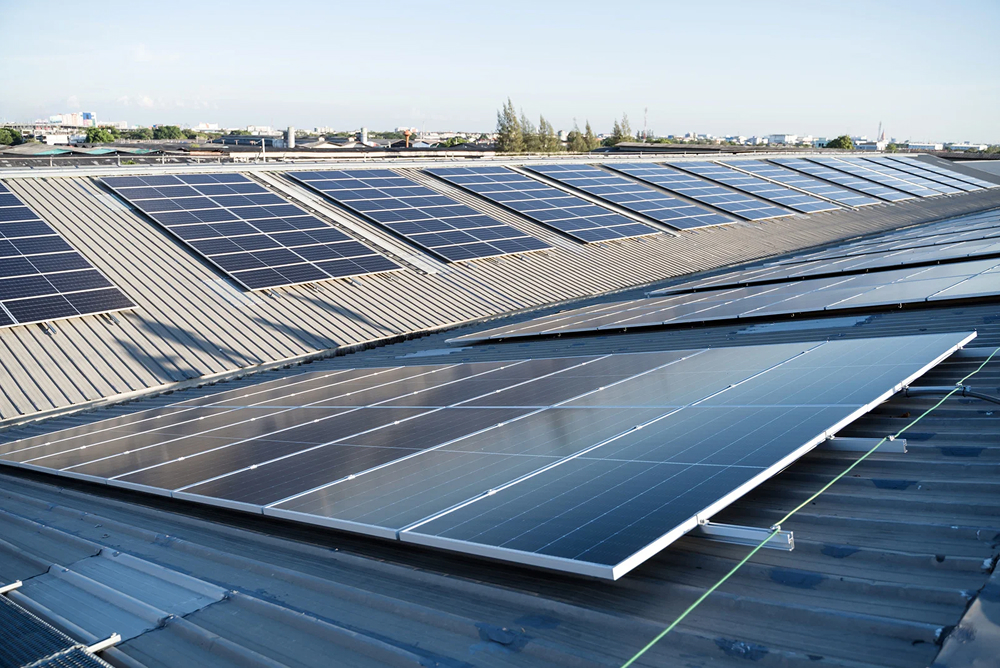
The 13.3 kW solar PV system generates renewable electricity to meet household demand and create opportunities for surplus energy storage.

Actual generation depends on sunlight, roof orientation, shading, weather and system performance. By assessing these factors alongside household consumption, homeowners can make more informed decisions about system sizing and expected savings.

2. 9.6 kWh Sungrow Battery Storage

The Sungrow battery stores available surplus solar energy for use when generation is lower, including during evening demand.

Battery storage can help reduce grid purchases when stored electricity is used to meet household loads that would otherwise require purchased power. Its financial value depends on battery efficiency, electricity tariffs, export rates, usage patterns and system settings.

Correct battery sizing is therefore essential. The objective is to match usable storage capacity with realistic household demand, rather than simply install the largest available battery.

For homeowners considering a Solar and battery installation, this balance between generation, storage and consumption is central to long-term performance.

3. Catch Power Load Controller for Hot Water

The Catch Power load controller helps direct available surplus solar electricity towards the home’s hot water system, subject to equipment compatibility and configuration.

This allows the household to use more of its solar generation for water heating instead of purchasing grid electricity for that purpose when sufficient solar energy is available.

Together, solar generation, battery storage and hot water load control help create a more coordinated energy system.

4. 600 × 600 mm Main Switchboard Upgrade

The project included a 600 × 600 mm main switchboard (MSB) upgrade to support the installation, electrical compliance and potential future requirements.

Electrical infrastructure is an important part of any solar or battery project. Switchboards, protective devices and wiring must be suitable for the installed equipment and comply with applicable Australian standards.

Future upgrades would still require a separate assessment of capacity and compatibility, but a well-planned installation provides a sound foundation.

Why Battery Storage Matters for NSW Homeowners

A solar system generates electricity when sunlight is available. A battery helps make that energy available at other times.

For homeowners researching Solar battery NSW options, battery storage can offer several potential benefits:

  • Higher solar self-consumption: Store surplus solar electricity for later use.
  • Lower grid reliance: Use stored energy when solar generation is insufficient.
  • Better energy management: Coordinate battery operation with hot water and household demand.
  • Potential bill savings: Reduce purchased electricity where the economics support battery use.
  • Greater flexibility: Adapt energy management to changing household requirements.

These outcomes depend on the system design and the homeowner’s usage patterns. Standard battery storage does not automatically provide backup power during an outage; backup capability requires compatible equipment and appropriate installation.

Cheaper Home Batteries Program: What NSW Homeowners Should Know

The Australian Government’s Cheaper Home Batteries Program helps eligible households and businesses reduce the upfront cost of installing qualifying battery systems connected to new or existing solar PV systems.

The incentive is linked to eligible Small-scale Technology Certificates (STCs), with the discount generally passed on through the participating installer or retailer under the applicable arrangement.

The amount is not a fixed rebate for every installation. It depends on program rules, eligible battery capacity, installation timing and other requirements.

The incentive structure changed from 1 May 2026, making it important for homeowners to confirm the current discount before committing to an installation.

Official guidance is available through the Australian Government’s Cheaper Home Batteries Program.

How Battery Incentives Can Improve the Investment Case

A Battery rebate NSW search should lead to more than a headline discount. Homeowners need to understand how the incentive affects the complete investment, including installation costs, electricity savings and expected payback.

An eligible upfront discount can reduce the initial cost of battery storage. A lower initial investment may improve the financial return, but the result depends on the system’s performance and operating costs.

Before proceeding, homeowners should assess:

  • Total installed cost: Include equipment, installation and necessary electrical upgrades.
  • Eligible battery capacity: Confirm which capacity qualifies under current program rules.
  • Household consumption: Estimate how much stored solar energy can replace grid electricity.
  • Electricity tariffs: Compare import costs with export payments.
  • Financing: Account for loan repayments, interest and fees where applicable.
  • Expected payback: Calculate the investment using transparent assumptions.

Homeowners should request a written quote showing the incentive, the final payable price and any relevant eligibility conditions. Any separate NSW incentive should be verified independently rather than assumed to be available or stackable with federal support.

Why Timing and Eligibility Matter

Government incentive settings can change over time. The applicable discount should be confirmed against the installation date and current eligibility rules.

For homeowners comparing a Battery rebate NSW option, understanding the actual incentive is essential to assessing whether the battery represents good value.

The best decision considers the full system cost, expected savings, financing and applicable incentives together, rather than relying on an advertised rebate alone.

Project Results: Measured and Projected Impact

The Polygon Energy project has the following reported outcomes.

Performance indicatorProject outcome
Projected lifetime bill savings$78,462
Estimated payback periodApproximately 10 years with SHS loan support
Reported ROI index18%
Solar PV capacity13.3 kW
Battery storage9.6 kWh Sungrow
Hot water optimisationCatch Power load controller
Electrical upgrade600 × 600 mm MSB

The projected savings indicate the anticipated long-term value of the installation. They are estimates, not guaranteed financial outcomes.
Actual savings and payback depend on electricity prices, consumption, solar generation, system performance, financing terms and other assumptions. The financial model should also confirm whether any eligible battery incentive has already been included, avoiding double-counting.
For homeowners evaluating Solar and battery installation options, transparent financial modelling is more useful than comparing equipment prices alone.

Choosing the Right Solar and Battery Installation

The performance of a home energy system depends on how well its components work together.

A properly planned Solar and battery installation should consider:


Energy usage: Understand when electricity is consumed and which loads create the greatest demand.


Solar generation: Assess roof conditions, expected output and the relationship between generation and consumption.


Battery sizing: Select storage capacity based on household requirements and the likely value of stored energy.


Hot water management: Evaluate whether controllable hot water heating can use surplus solar generation.


Electrical compliance: Ensure the switchboard and associated infrastructure are appropriate for the installation.


Financial viability: Compare the total cost, available incentives, projected savings and expected payback.


These considerations are equally important when adding a battery to an existing solar system. Reviewing existing generation, export patterns and evening demand can help determine whether storage is a suitable investment.

Polygon Energy's Approach to Residential Energy

At Polygon Energy, we believe better energy outcomes begin with understanding how a home uses power.

Our approach brings solar generation, battery storage and load management together to address practical household requirements. We consider system sizing, electrical infrastructure, energy consumption and financial objectives to help homeowners make informed decisions.

For eligible households exploring the Cheaper Home Batteries Program, understanding the applicable incentive is an important part of the process. However, an incentive alone does not determine whether a battery is the right choice. The system must also suit the property’s energy requirements and deliver a credible financial proposition.

The focus is on designing an energy solution around the homeowner, rather than offering a one-size-fits-all package.

Conclusion: Better Energy Management Starts with the Right Design

Polygon Energy’s residential project demonstrates how solar generation, battery storage and hot water optimisation can work together to improve household energy management.

The combination of a 13.3 kW solar PV system, 9.6 kWh Sungrow battery, Catch Power load controller and upgraded main switchboard was designed to increase solar self-consumption, reduce grid reliance and support future energy requirements.

With $78,462 in projected lifetime bill savings, an estimated 10-year payback period with SHS loan support and an 18% reported ROI index, the project illustrates the potential value of an integrated energy solution, subject to the assumptions behind those estimates.

For homeowners considering a battery, the right approach is to assess energy usage, system sizing, installation costs and eligible incentives together.

Planning a solar and battery upgrade for your home?

Speak with Polygon Energy to understand your energy requirements, explore suitable system options and check whether you qualify for current battery incentives.

Visit Polygon Energy to get started.

Home

Services

Our Work

FAQs

Ask Away

Request a Quote

About Us

Contact Us