Solar and Batteries for Canberra Apartments: Rebates, Loans and Safety in 2026

Canberra apartment owners can cut electricity costs with solar, a battery, or both. Two programs stack together: the federal Cheaper Home Batteries Program (a rebate) and the ACT’s Sustainable Household Scheme (a low-interest loan). Strata approval, correct sizing and a licensed installer matter as much as the incentives.

Note: Canberra is in the ACT, not NSW. The NSW battery incentive doesn’t apply to Canberra homes, but the federal rebate does.

What is the Cheaper Home Batteries Program, and is there a battery rebate in Canberra?

Yes. The program started on 1 July 2025 and gives a discount on eligible home batteries through small-scale technology certificates. From 1 May 2026, batteries up to 14 kWh keep the full discount of roughly 30 per cent, batteries of 14 to 28 kWh get 60 per cent of it, and those of 28 to 50 kWh get 15 per cent.

The rebate also shrinks over time. The rebate steps down on set dates, with the next cut on 1 January 2027 and more to follow. Installation lead times can be long, so a delayed install can change your rebate outcome. A smaller battery sized to your evening use often gives the best return.

How does the Sustainable Household Scheme help with a battery or home electrification in Canberra?

The Sustainable Household Scheme is the ACT Government’s loan program. It offers a 3% interest rate with no upfront costs or fees, loans from $2,000 to $15,000, and up to 10 years to repay. The ACT Government says a $20,000 cap will apply for new applicants, so check the current limit when you apply.

Eligible products go beyond batteries. They include electric heating and cooling, hot water heat pumps, electric stove tops, EV charging infrastructure and ceiling insulation. That makes it useful for home electrification in Canberra, such as replacing gas appliances with efficient electric ones.

Demand has been strong. Batteries made up 53% of loan applications this financial year, up from 10% before July 2025.

Concession card holders may get extra help. Households eligible for the Home Energy Support Program may get a zero-interest loan of up to $10,000.

Can apartments get solar and battery storage?

Often, yes, but it’s more complicated than for a house. Rooftops are usually common property, so you generally need owners corporation approval. Options include:

  • Shared rooftop solar for common areas such as lifts, lighting and car parks.
  • A battery inside or near your unit where the strata rules and building design allow it.
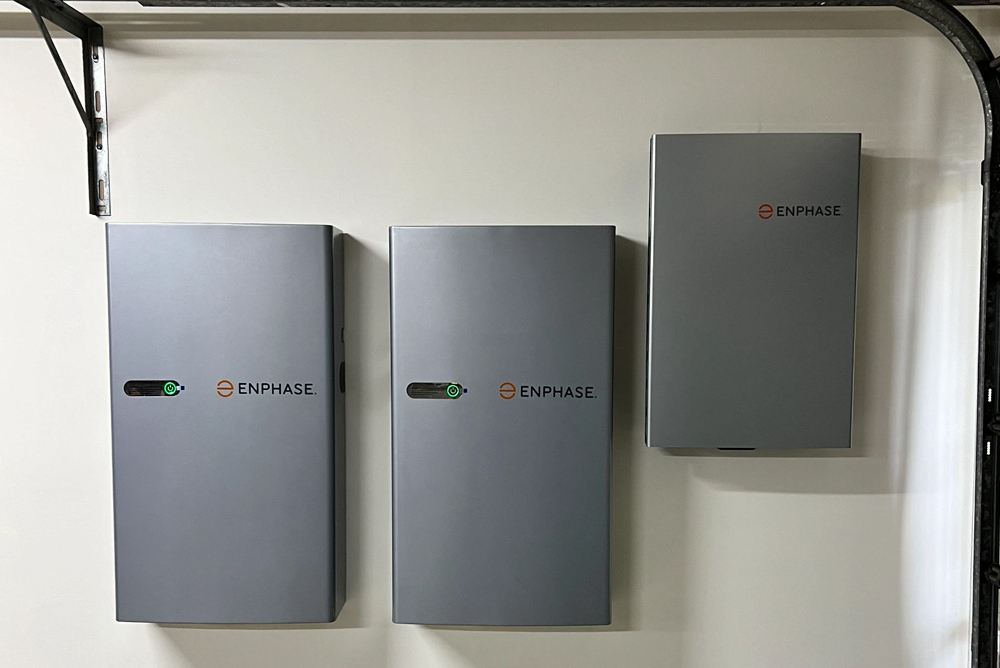
  • Individual battery energy storage systems in Canberra for owners with existing solar access.

Ask your strata manager early. Approvals, not incentives, are usually the slowest part.

How do batteries reduce peak demand and enable energy arbitrage?

Peak demand reduction means using stored power during the expensive early-evening window instead of drawing from the grid. This lowers your bill and eases pressure on the network.

Energy arbitrage means charging the battery when electricity is cheap or free, such as midday solar or off-peak periods, and discharging when prices are high. The benefit depends on your tariff, so compare retailers before you size a system.

A battery earns its keep only in the hours your solar isn’t generating. Your real energy use should decide the battery size, and the battery size should decide how much you finance, not the other way around.

Why does safety in solar and battery installation matter?

Batteries and solar involve high-voltage DC, stored energy and fire risk if poorly designed or installed. Good safety in solar and battery installation includes:

  • Licensed, accredited installers who design to Australian Standards.
  • Sensible location choices. Avoid exits, bedrooms and poorly ventilated spaces, and check what your building rules allow.
  • Certified products with proper isolation, protection and compliance paperwork.
  • A final inspection and a commissioning record you keep for insurance and resale.

In apartments, safety in design matters even more, because a fault affects neighbours as well as you. Ask any installer how they handle battery placement, fire separation and isolation.

How do I choose a solar expert in Canberra?

Ask for:

  1. Accreditation and a local licence.
  2. A written design based on your actual usage, not a generic package.
  3. Product and workmanship warranties, and how long the company has been trading.
  4. A clear explanation of how the rebate and any loan apply to your quote.
  5. References from similar apartment or strata projects.

Be cautious of high-pressure offers built around a rebate deadline.

FAQ

Is there a Canberra apartment solar program?

There’s no single apartment-only program. Apartment owners use the federal battery rebate, the Sustainable Household Scheme loan and strata-approved shared solar.


Can I combine the battery rebate and the ACT loan?

Yes. Eligible Canberrans can take out a low-interest loan through the ACT scheme and use the Commonwealth’s Cheaper Home Batteries program to buy a cheaper battery.


Does a battery need solar?

For the federal rebate, yes. Batteries must be tied to a rooftop solar PV system. Check how this applies to apartments with your installer.


Is the NSW battery incentive available in Canberra?

No. Canberra is in the ACT, so the federal rebate and ACT loan are the relevant programs.

Next step

Before you sign a quote, get your strata’s position in writing, check your usage, and ask the installer how the rebate step-down could affect your timing. For more details contact the Polygon Energy expert team now! 

Home

Services

Our Work

FAQs

Ask Away

Request a Quote

About Us

Contact Us