One local energy plan for established homes, Ginninderry builds and businesses in Belconnen ACT

Belconnen is not one solar market. It includes established family homes with older solar systems, new all-electric homes in Ginninderry, apartments around the town centre and Bruce, and major education, health, retail, club and office premises.

Polygon Energy designs solar, battery and EV charging systems around the property, electricity use and next upgrade – not a generic panel count. Whether you are adding a battery to an existing system in Hawker, building in Macnamara, planning shared EV charging in Bruce, or assessing a commercial roof near Belconnen Town Centre, we start with the loads, roof, electrical supply and commercial objective.

Bring a recent electricity bill, your address and a list of planned upgrades. We will assess solar potential, battery value, EV charging capacity, existing-system compatibility, relevant incentives and suitable backup options before recommending a path.

Why Belconnen needs a tailored solar and battery design

Belconnen has one of the ACT’s strongest existing solar-and-storage markets, but it also has one of the broadest mix of property types and electrical needs.

Across postcodes 2614, 2615, 2617 and 2618, Clean Energy Regulator records show 17,383 solar installations with 123.891 MW of solar capacity. From July 2025 to August 2026, the same postcode group recorded 2,266 supported battery installations with 60.296 MWh of usable battery capacity. These are certificate-based installation records, not a count of unique households, but they show a mature local upgrade market.

Belconnen’s planning pipeline is substantial. The Belconnen District Strategy identifies potential demand for about 21,200 additional dwellings, with opportunity for roughly 28,000-31,500 homes, and forecasts around 53,700 jobs by 2050. That growth includes the town centre, the University of Canberra, the health precinct, Ginninderry and a wide range of commercial activity.

Evoenergy’s 2025 Annual Planning Report also identifies network work relevant to the area: a Strathnairn feeder extension for Ginninderry growth, a future Strathnairn zone substation, and a longer-term review of capacity and reliability at Belconnen Zone. A good design therefore checks the address, supply phase, export setting and future loads early – especially for new estates, apartments and larger commercial projects.

17,383

Solar installations

123.891 MW

Solar capacity

2,266

Supported battery installations

60.296 MWh

Usable battery capacity

21,200

Additional dwellings, potential demand

53,700

Forecast jobs by 2050

The useful questions are not simply “how many panels fit?”

Are you retaining usable older solar or replacing an ageing inverter?

Is the home moving from gas to electric heating, hot water and cooking?

Do you need a battery for evening self-consumption, selected blackout backup, or both?

Will an EV charger, heat pump and existing air conditioning overload a single-phase supply?

Is a business trying to reduce daytime grid purchases, demand exposure, fleet costs or interruption risk?

Solar, batteries and EV charging designed as one system

Solar for Belconnen homes and townhouses

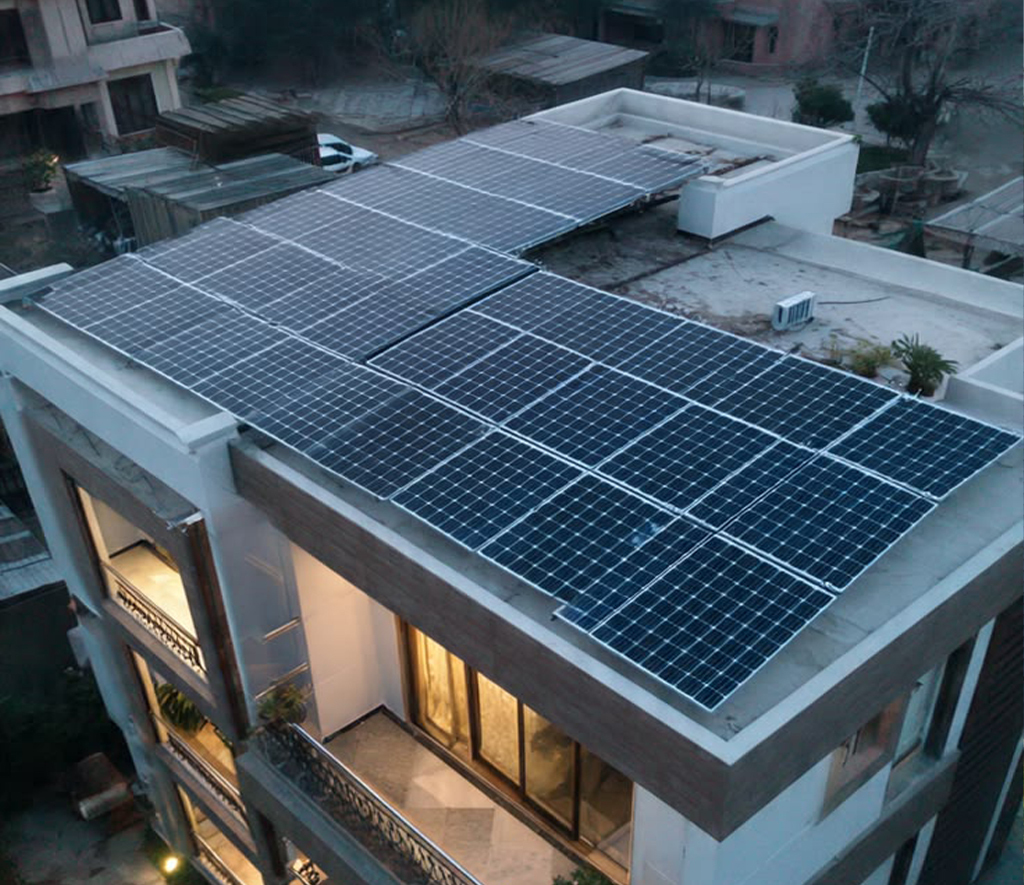
Solar should be sized around your actual daytime load and the electricity you expect to use next. For many established Belconnen homes, electrification changes the equation: reverse-cycle heating, heat-pump hot water, induction cooking and an EV can materially increase both annual consumption and the value of daytime solar.

We review roof orientation, shade, available roof space, panel layout, existing equipment, interval data where available and likely future loads. The objective is a sensible system that works now and remains practical to expand or optimise later.

Batteries for lower grid use and realistic outage resilience

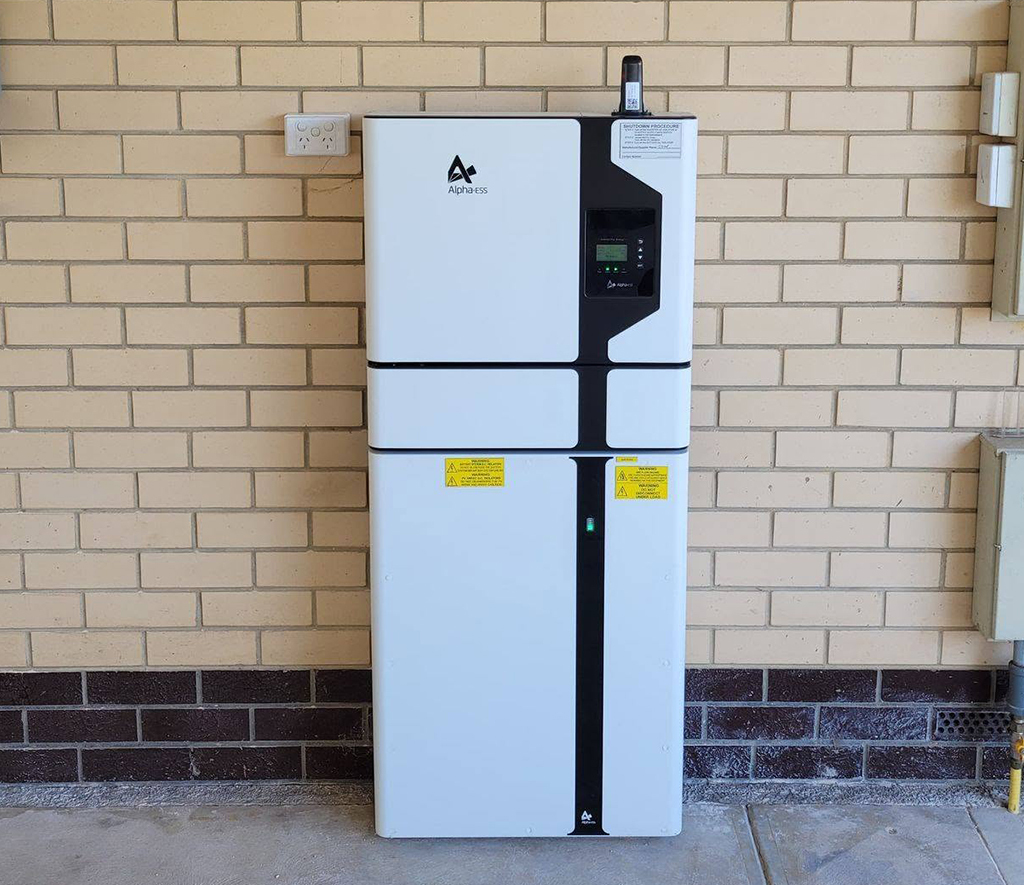
A home battery can store surplus solar for the evening, help manage tariff periods and, when designed for it, keep selected circuits running during an outage. It is not automatically the right choice for every home, and a standard grid-connected solar system does not continue generating during a blackout.

If backup matters, the design needs backup-capable equipment, compliant changeover/islanding controls and an essential-load circuit or suitable whole-home configuration. We help you decide what actually needs to stay on: refrigeration, lighting, internet, garage access, medical equipment, selected power points or heating controls.

EV charging that matches your electrical capacity

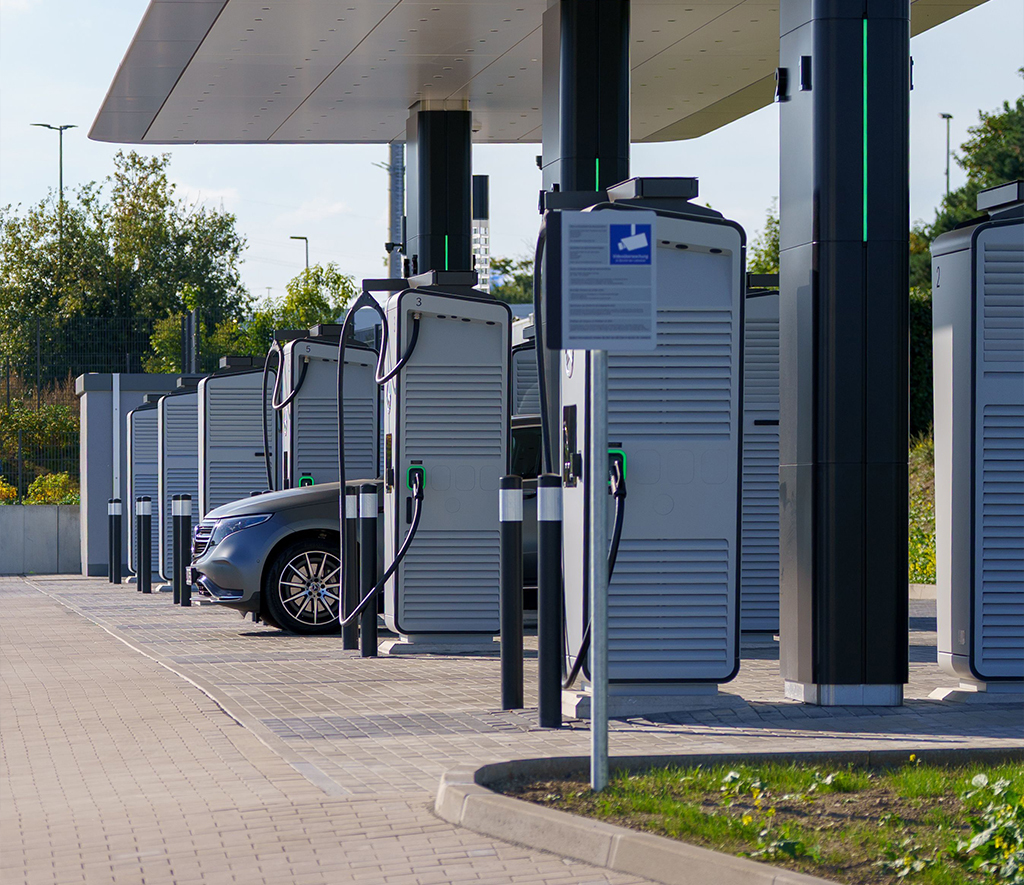
The right EV charger depends on more than charging speed. We consider the vehicle, kilometres driven, tariff, solar output, supply phase, switchboard capacity and other large loads in the home.

Smart charging can follow surplus solar or schedule charging into lower-cost periods. On properties with several high-demand appliances, dynamic load management can protect the connection from overload. A managed 7 kW charger is often more useful than a larger charger that the home cannot comfortably support.

Existing solar upgrades and battery compatibility

Belconnen has a large base of earlier solar installations. Many are still valuable, but should be assessed before adding a battery, EV charger or major electric appliances.

We compare retaining the system, expanding it, AC-coupling a battery, replacing an ageing inverter or moving to a more integrated design. The decision should consider inverter age and warranty, array condition, current standards, roof space, meter and switchboard capacity, export controls and safety compliance.

Service area

Belconnen suburbs, Ginninderry and business precincts we support

Polygon Energy can assess homes, townhouses, apartment buildings and businesses across Belconnen, including:

Aranda

Belconnen

Bruce

Charnwood

Cook

Dunlop

Evatt

Florey

Flynn

Fraser

Hawker

Higgins

Holt

Kaleen

Latham

Lawson

Macgregor

Macnamara

McKellar

Melba

Page

Scullin

Spence

Strathnairn

Weetangera

Ginninderry

Building or buying in Ginninderry?

Ginninderry's home requirements make it a distinctly all-electric market. Developer requirements for Strathnairn and Macnamara include solar PV, home energy management, electric hot water and no gas connection.

That creates an opportunity to design beyond minimum compliance. The best system depends on the block, roof design, household size, heating and cooling, EV plans, switchboard design and expected daytime use. A coordinated solar, battery-ready and EV-ready plan is usually easier and less costly during construction than a retrofit.

Confirm requirements for your block, builder contract and estate stage before finalising electrical rough-in. These are estate requirements, not a Territory-wide mandate.

Multi-unit

Apartment and townhouse solar in Belconnen and Bruce

For apartments and townhouses, the core issues are usually common-property approval, roof allocation, metering, cable pathways, parking-bay rights and available building capacity.

ACT law supports owners

An owners corporation cannot refuse consent solely because it dislikes the appearance. Safety, structural capacity, cost, metering and equitable access still need a building-wide plan.

EV-ready, not EV-charging

New multi-unit developments must provide EV-ready electrical infrastructure to every resident car space. This does not mean every space already has an operating charger.

ACT Solar for Apartments Program

May assist eligible buildings with rooftop solar feasibility and delivery. Does not fund batteries or EV chargers, which need their own technical and commercial case.

Commercial

Belconnen businesses, institutions and commercial roofs

Education, health, office, retail, clubs, hospitality, recreation and professional services mean commercial solar should start with the business model, not a standard system size.

Useful starting points

12 months of interval data

opening hours

demand charges

tenancy or ownership

air-conditioning loads

roof control

fleet plans

cost of a disruption

Solar, a battery, managed EV charging and backup serve different purposes. Model them separately before packaging them together.

Solar

100 kW to 1 MW

Installed from 1 October 2026: fixed five-year STC deeming period. Applications expected mid-to-late November 2026. Eligibility, network requirements and STC versus REGO need project-specific advice.

Batteries

5 to 100 kWh

May access federal battery STCs, subject to product, solar-pairing, installer and other conditions. Larger systems need a separate feasibility case.

Belconnen network and local batteries: what they mean for your decision

Belconnen includes established suburbs, newer Ginninderry estates, major precinct redevelopment and a mix of network configurations. There is no defensible single statement that every Belconnen street has either overhead or underground electricity infrastructure, or that one topology alone determines whether a battery is worthwhile.

Evoenergy's 2025
report

Evoenergy's 2025 report identifies completed and planned growth work around Strathnairn, a future Ginninderry zone substation and a longer-term Belconnen Zone capacity/reliability review. This is useful context for high-load projects, but it does not predict the reliability or export capacity of a particular property.

Backup depends on your property and system

If backup is important, we assess the actual address, outage tolerance and essential loads. Backup duration depends on usable battery capacity, battery power, the loads being run, solar conditions, reserve settings and system design - not simply whether local streets have underground cable.

ACT Government battery assets

ACT Government battery assets include the Belconnen Parks Depot, and the wider Big Canberra Battery program supports renewable integration, peak support and system security. These grid-facing assets do not normally provide a particular home or business with behind-the-meter backup power, bill savings or immunity from local outages.

Belconnen solar, battery and EV incentives

Eligibility and values change. Every quote should identify the incentive included, the basis for the calculation and the date it was checked.

Federal battery STCs

Eligible battery systems can receive an upfront benefit through small-scale technology certificates (STCs) under the Cheaper Home Batteries Program. The scheme can support residential and non-residential batteries from 5-100 kWh nominal capacity, with STCs available for the first 50 kWh of usable capacity.

The benefit is not a universal fixed percentage. It depends on usable battery capacity, installation date and the relevant eligibility conditions. The battery must be paired with eligible solar and meet product, installer, VPP-capability and other program rules; joining a VPP is optional.

ACT Sustainable Household Scheme

Eligible ACT households may access a low-interest loan of $2,000-$20,000 for eligible energy upgrades, including battery storage and EV charging infrastructure. The published rate is 3% with terms of up to 10 years, subject to current program and lending criteria.

Home Energy Support Program

Eligible owner-occupiers with a Pensioner Concession Card, Department of Veterans’ Affairs Gold Card or Health Care Card may qualify for up to $5,000 in ACT rebates: up to $2,500 for rooftop solar and up to $2,500 for eligible electric-appliance or insulation upgrades. Approval must be obtained before accepting or starting eligible work.

Solar for Apartments

Eligible ACT apartment buildings may receive assistance through the Solar for Apartments Program: up to $100,000 per apartment premises, structured as a 50% grant and 50% zero-interest loan, or up to $300,000 for an owners corporation across multiple premises. Program, building, value and benefit-sharing criteria apply. The program excludes batteries and EV chargers.

Understand your goal

lower bills, a Ginninderry new build, existing-solar upgrade, planned EV, all-electric conversion, backup power or business energy optimisation.

Review the property

roof, shading, supply phase, switchboard, existing solar, battery location, parking and connection pathway.

Model the energy plan

current consumption plus planned heating, hot water, induction, EV and commercial loads.

Confirm the technical path

export controls, strata approvals, supply upgrades and Evoenergy requirements where relevant.

Present clear options

solar-first, electrification-ready, resilience-focused and commercial options, with assumptions clearly stated.

Install and commission

including monitoring, safety documentation and a practical handover.

Frequently Asked Questions

Ginninderry’s development requirements include solar PV and home energy management, together with electric hot water and no gas connection. The optimal solar size may be greater than the minimum once EV charging, heating and other all-electric loads are included. Confirm the current requirements for your block and builder contract.

Often, yes. We check the existing inverter, array, meter and switchboard, current export controls, safety compliance and the battery connection method. AC coupling can be practical in some cases; in others, replacing or reconfiguring an older system delivers a better long-term result.

Only if the system is designed for backup. Normal grid-connected solar turns off during an outage for safety. A battery needs backup-capable equipment and a compliant essential-load circuit or whole-home configuration to keep selected loads operating.

Belconnen contains older suburbs, new estates and redeveloped precincts, so the network is mixed. The right decision is based on the actual address, service capacity, outage tolerance and essential loads rather than a district-wide overhead/underground label.

No. ACT Government battery assets help the wider electricity system; they are not normally connected behind your meter. A home or business battery is a separate system that can be designed to increase solar self-consumption, manage tariffs and provide selected backup.

Potentially. The building needs to address owners-corporation approval, roof rights, structural capacity, metering, cable pathways, parking allocation, available electrical capacity and fair access. Eligible buildings may receive Solar for Apartments support for rooftop solar, but not for batteries or EV chargers.


Choose based on the vehicle, daily driving, tariff, solar profile, supply phase, switchboard capacity and other large appliances. A managed 7 kW charger is often a practical choice for a single-phase home. Three-phase charging may suit some properties, but needs appropriate supply and electrical capacity.


Eligible 100 kW-1 MW solar systems installed from 1 October 2026 can use a five-year STC deeming period under the expanded small-scale scheme. A feasibility review should still confirm roof rights, connection capacity, load profile, scheme eligibility and whether STCs or REGO treatment is the appropriate path.

Eligible residential and non-residential batteries may receive federal STCs under the Cheaper Home Batteries Program. The exact benefit depends on the equipment, usable capacity, installation date and program conditions. Eligible ACT households may also use the Sustainable Household Scheme to finance qualifying upgrades.

Many rooftop solar installations are exempt from development approval when they meet ACT rules for setbacks, projection, solar envelopes and neighbour solar access. Heritage, unusual ground-mounted or non-compliant designs may need further assessment.

Book your Belconnen energy assessment

Planning solar, a battery, an EV charger, a Ginninderry new build, apartment infrastructure or a business energy upgrade? Tell us your address, recent electricity bill, whether you have single-phase or three-phase power, and what you want to add next.

Polygon Energy will provide a clear site-specific path, including system design, existing-solar compatibility, connection considerations, incentives that may apply and realistic backup options.

Home

Services

Our Work

FAQs

Ask Away

Request a Quote

About Us

Contact Us