
Energy independence is becoming an increasingly practical option for households across regional NSW and the Canberra region. As electricity prices fluctuate and grid infrastructure faces growing pressure, many homeowners are exploring off grid solar solutions that allow them to generate and store their own power.
An off grid solar system NSW households install today is far more advanced than the early solar setups seen a decade ago. With improvements in battery technology, smarter energy management systems, and better solar panels, living independently from the grid is now a realistic option for rural homes, farms, and remote properties.
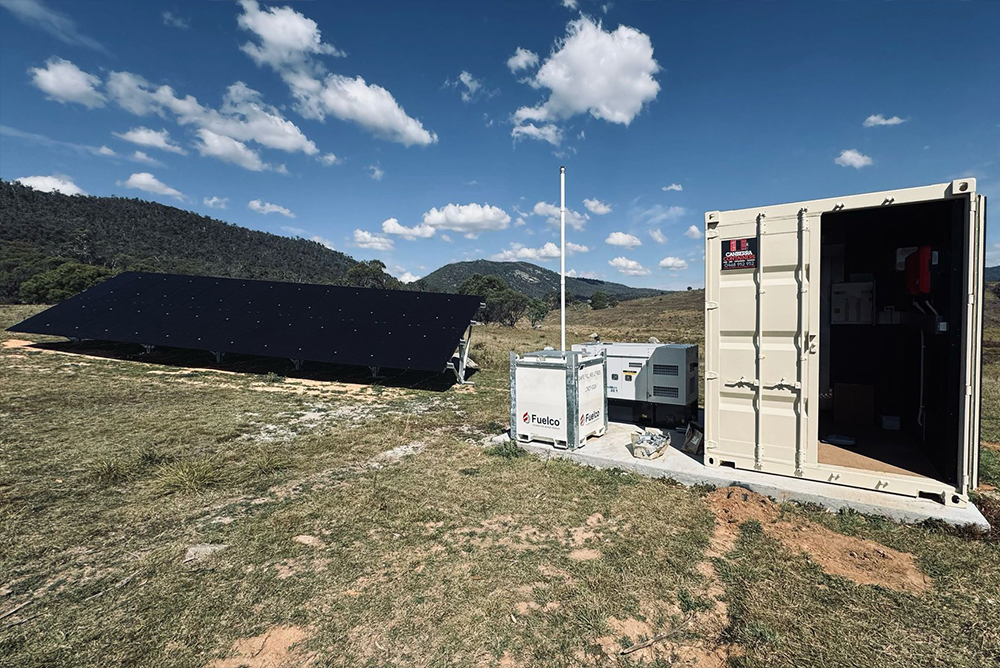
A standalone off grid solar system is designed to operate without being connected to the electricity network. Instead of exporting excess energy to the grid, the system stores solar power in batteries so it can be used later.
A typical off grid solar setup includes:
• Solar panels to generate electricity
• Battery storage to store excess energy
• Inverters and controllers to manage power flow
• Backup generators for extended cloudy periods
Unlike standard solar systems, off grid installations require careful engineering. Every component must be designed to ensure the property has enough electricity throughout the year.
For this reason, working with a solar expert NSW homeowners can trust is critical when designing an off grid solution.
Regional NSW has seen strong interest in off grid systems for several reasons.
First, connecting a remote property to the electricity network can be extremely expensive. In some cases, extending grid infrastructure can cost tens of thousands of dollars. Installing an off grid solar system NSW property owners rely on often becomes the more practical choice.
Second, solar technology has improved dramatically. Today’s quality solar systems NSW homes install can generate significant power even during cloudy conditions.
Third, battery storage has become more reliable and efficient. A well designed solar battery NSW system can power essential household loads through the night.
Batteries play a crucial role in off grid systems. They store energy generated during the day and release it when solar production drops.
This is where home battery installation becomes essential. Without sufficient battery storage, households may experience power shortages during cloudy days or at night.
In grid connected homes, battery systems are often supported by government incentives such as the Cheaper Home Batteries Program, battery rebate NSW, or other battery incentive programs designed to encourage energy storage adoption.
These initiatives are helping accelerate battery adoption across the state.
A successful solar and battery installation depends on accurate system sizing. Engineers must calculate daily energy consumption, seasonal variations, and potential load growth.
For example, households planning home electrification in NSW may add electric appliances such as induction cooking, heat pump hot water systems, or electric vehicle chargers. These changes must be factored into system design.
A well planned system ensures that the household has reliable electricity even during winter months when solar production is lower.
Because off grid systems operate independently from the electricity network, installation quality becomes extremely important. Households should always verify the credentials of the installer before proceeding.
Consumers can check approved solar providers through the New Energy Tech Approved Seller program:
https://www.newenergytech.org.au/find-an-approved-seller
This directory helps identify reputable providers who follow national consumer protection standards for solar and battery installations.
Residents in Canberra can also confirm licensed electricians through the official Access Canberra register:
https://services.accesscanberra.act.gov.au/s/public-registers/construction-licences?registerid=electricians-public-register
These checks help ensure the system is installed safely and professionally.
The growth of renewable energy systems also connects with broader sustainability initiatives across NSW and ACT. Government infrastructure planning increasingly focuses on environmental responsibility and energy efficiency.
For example, official reports highlight how renewable energy and infrastructure planning are shaping the future of the region:
https://www.act.gov.au/__data/assets/pdf_file/0010/2928637/Infrastructure-Canberra-Annual-Report-2024-25.pdf
Local councils are also integrating sustainability into broader planning efforts, including waste and resource management programs such as those outlined here:
https://www.tamworth.nsw.gov.au/live/waste-and-recycling/waste-management-facilities
These initiatives reflect a broader shift toward environmentally responsible infrastructure.
For many properties across regional NSW, a standalone off grid solar system offers both economic and practical benefits. It eliminates electricity bills, provides energy independence, and supports a lower carbon footprint.
However, off grid systems require careful planning and professional design. Factors such as energy usage, property location, battery capacity, and seasonal sunlight all influence system performance.
When installed correctly, an off grid solar system NSW households rely on can deliver decades of reliable, renewable energy.
As solar technology continues to evolve, off grid energy systems are becoming one of the most practical pathways toward true household energy independence in Australia.