
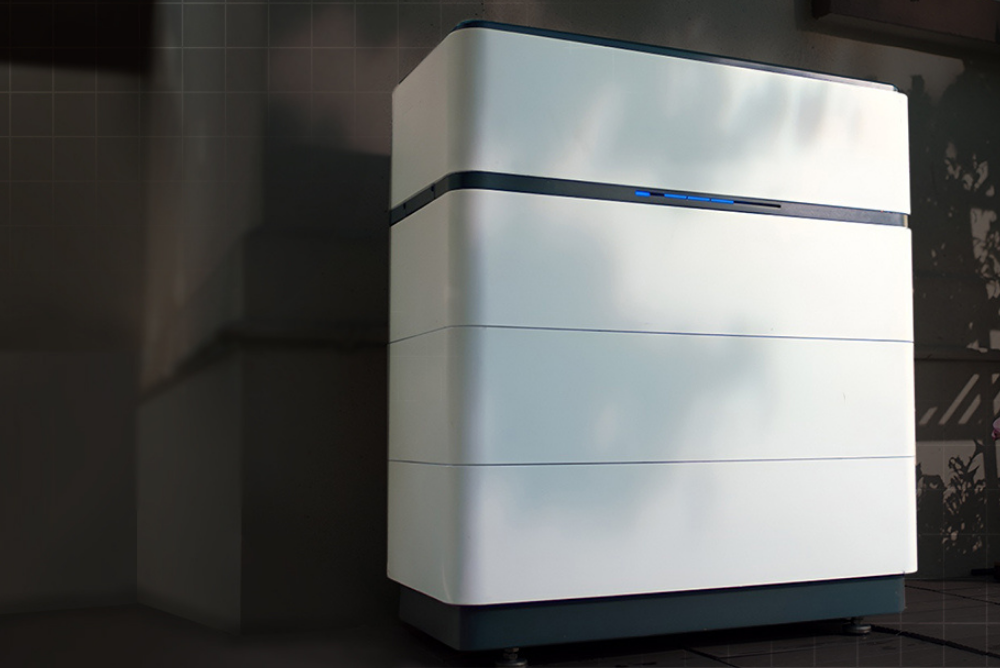
Energy decisions at home are changing fast across New South Wales.
What was once a simple choice between lowering electricity bills and adding rooftop solar has now become part of a much bigger conversation—how your entire home uses energy.
From electric vehicles and induction cooking to heat pumps and battery storage, home electrification in NSW is no longer a future trend. It is already shaping how homeowners plan upgrades, renovations, and long term savings.
This is exactly why demand for solar and battery installation, home battery installation, and the Cheaper Home Batteries Program continues to grow.
The goal is no longer just solar panels. It is building a home that runs smarter, costs less to operate, and gives you more control.
Home electrification means replacing systems that rely on gas or fuel with efficient electric alternatives powered by renewable energy.
This often includes:
When designed properly, these systems work together instead of separately.
For example, your rooftop solar can power your home during the day, your battery stores unused energy for the evening, and that same battery can support EV charging overnight.
This is where the value of a well planned solar battery NSW system becomes far greater than simple bill reduction.
For years, many homeowners relied on exporting excess solar energy back to the grid for credits.
That model is becoming less attractive.
Feed in tariffs across NSW have already dropped significantly and may continue to reduce over time. In some cases, they may disappear altogether within the next few years.
This changes the economics.
Instead of selling solar energy back cheaply and buying electricity back later at a higher price, battery systems allow you to store and use your own power.
That shift makes battery rebate NSW programs far more valuable because they improve the return on self-consumption.
The smarter move is no longer exporting more. It is keeping more.
One of the biggest misconceptions in the market is that bigger batteries automatically mean better outcomes.
They do not.
Most homes in NSW do not need oversized systems.
In reality:
This is why the Cheaper Home Batteries Program is structured the way it is.
It supports practical battery sizing rather than oversized installations.
For most homeowners, the best battery system is the one that matches how the home actually works—not the largest one on the quote.
Fuel costs continue to rise, and electric vehicle adoption is accelerating across Australia.
For homeowners with an EV—or plans to buy one—battery storage becomes even more relevant.
A well designed system allows:
This makes a battery more than an energy product. It becomes part of household mobility planning.
For families balancing electricity costs and fuel expenses, this can create significant savings over time.
It also strengthens the business case for home battery installation far beyond power backup alone.
For regional NSW properties, the conversation is even more practical.
Demand for off grid solar, off grid solar system NSW, and standalone off grid solar system solutions continues to grow where grid access is limited or unreliable.
In these situations, battery systems are not just about saving money.
They are about continuity.
Water pumps, refrigeration, security systems, communications, and essential operations rely on stable power.
That means system design matters far more than chasing the lowest quote.
A quality off grid system should prioritise:
This is where choosing a real solar expert NSW becomes critical.
The market is full of aggressive sales messaging around the top solar panel in NSW, but product labels alone do not create performance.
A battery system is only as good as how it is designed and installed.
When evaluating providers, homeowners should look for:
The best quality solar systems NSW are built around actual consumption patterns, not assumptions.
This is where engineering matters.
Not the cheapest. Just better value.
Even after May 2026, the value of battery rebates remains strong.
The urgency has changed, but the opportunity still exists.
For 95% of households, the incentive structure under the battery program NSW still supports practical battery investments.
At the same time:
This makes timing important—not because of panic, but because better planning today creates stronger long term returns.
The future of energy is not just solar. It is integration.
Homes are becoming more electric, more connected, and more dependent on smart energy planning.
That means the best investment is not the biggest battery.
It is the right battery.
One that supports your lifestyle, your usage patterns, your EV plans, your backup needs, and your long term financial goals.
Because the smartest solar and battery installation is not built around trends.
It is built around how you actually live.