Solar panels are easy to buy. A solar system that performs for decades, matches the way you actually use energy and pays for itself quickly is much harder to get. The difference almost always comes down to the advice and engineering behind the installation, not the hardware on the roof.
A recent Polygon Energy project shows what that looks like in practice. A homeowner wanted fast savings and a strong return, and the result was a 17.6 kW system with a four-year payback. This article walks through that project, explains the thinking that produced it, and shows why consulting an experienced, accredited team before you invest is the smartest first step you can take. If you are searching for a solar expert Canberra residents trust, or planning Home Electrification in Canberra or Home Electrification in NSW, this is the place to start.
A Homeowner with a Clear Goal
The homeowner in this case study had a simple brief. They wanted to cut electricity costs quickly, get the strongest possible return on their solar investment and move to a sustainable, high-efficiency energy system.
That brief rules out a generic package. It calls for a solar expert Canberra homeowners can rely on, not a one-size-fits-all sales pitch. A homeowner focused on return on investment needs a system sized and configured around their own consumption, their own roof and their own priorities. Too small, and savings are left on the table. Too large or poorly matched, and money is spent on capacity that never earns its keep. The goal was never simply to own solar panels. The goal was to own a system that performs.
The Solution: A 17.6 kW System, Thoughtfully Designed
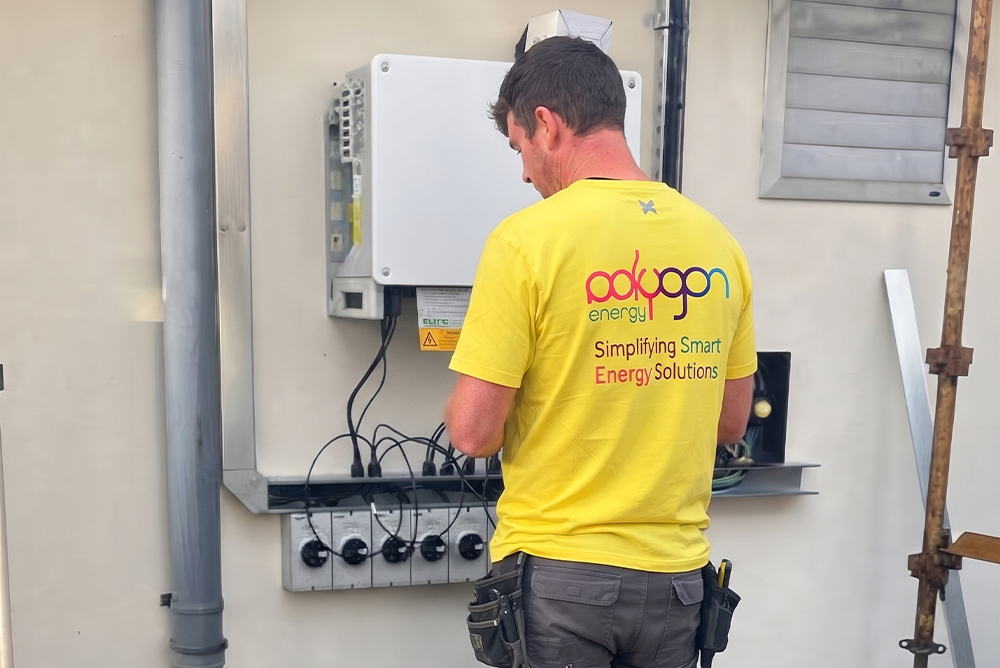
Polygon Energy designed and installed a 17.6 kW solar PV system built for maximum generation and efficiency. The high-capacity array delivers substantial daily production to meet the household’s energy needs, and surplus energy is exported to the grid. By reducing consumption from the grid, the system maximises bill savings and keeps the household’s exposure to rising electricity prices to a minimum.
A system of this size is not something to guess at. Planning for a future home battery Canberra households can add later is part of that design thinking. It needs to be matched to how and when the household uses power, designed so that the array generates well across the day, and engineered so that it connects safely and compliantly to the home’s electrical system and the local network. Those are design decisions, and they are made well only when the people behind them understand electrical engineering as well as they understand solar.
The Results
The measured impact of the project speaks for itself:
- Annual bill savings: at least $4,052 per year
- Payback period: just 4 years
- ROI index: 23%
- Environmental benefit: a significant reduction in the household’s carbon footprint through clean energy generation
- Ongoing cost reduction: minimal reliance on grid electricity, which protects the household from future price increases
A four-year payback is an exceptional result. Once the system has paid for itself, the savings continue year after year for the remaining life of the installation. For a homeowner focused on return, that is the difference between solar as an expense and solar as an investment.
Why the Design Process Matters
Results like these are decided long before a single panel goes on the roof. They come from the work done in the assessment and design stages, and from an approach that treats every home as its own project.
Polygon Energy’s approach is built around detailed site assessment, accredited system design and clear, honest communication. We examine the details that materially affect performance, including shading, roof orientation and export limits. We consider household consumption and peak generation periods, as well as backup requirements, future battery expansion and switchboard upgrades. The question is never how many panels will fit. It is what will work best for your home, today and in the years ahead.
That approach also means advice you can trust, whether you are sizing a home battery Canberra installation or planning wider Home Electrification in Canberra. You receive straightforward explanations of costs, exclusions, approvals, warranties and optional extras such as optimisers or blackout backup. When site information changes or new details emerge, the design is reviewed, revised and the practical and financial trade-offs are explained before you proceed. You make the decision with full information, not under pressure.
Engineering Depth That Residential Solar Often Lacks
Many solar providers are sales businesses first and engineering businesses second. Polygon Energy is the other way around. The team is led by Bhavin Suthar and is made up of qualified electrical engineers with over 17 years of combined experience in electrical network planning, design, construction and maintenance.
That background matters for a household system more than most people realise. Connecting a high-capacity solar array to the grid involves network requirements, export limits and protection considerations. Adding a battery introduces questions about load control, backup and future expansion. Polygon Energy also provides electrical power system studies for larger clients, including load flow studies, fault studies and protection coordination. The same engineering discipline that keeps a commercial power system safe, reliable and optimally configured is applied to the design of a home system.
The result is a solution that is not only productive but also compliant, safe and built to last. For households weighing Home Electrification in NSW, from solar and batteries to the electrical upgrades that support them, that engineering depth keeps every part of the system working together.
Proven at Every Scale
Polygon Energy’s capability statement shows a track record that runs from single homes to community-scale infrastructure. A few examples illustrate the range:
- BAPS Temple, Taylor, ACT: a 100 kW solar array with a 52 kWh battery system, significantly reducing the temple’s reliance on the grid and lowering operational costs.
- Evoenergy Gudgenby Cottage, ACT: a ground-mounted 10 kW solar system with a 50 kWh containerised battery, providing an independent energy source and making remote off-grid operation possible.
- Tamworth Waste Transfer Station, NSW: an in-progress project delivering eight 6.6 kW off-grid solar systems, each with a 15 kWh battery, for independent generation across multiple sites.
- Dicker Data Centre, NSW: a 380 kW solar system design that maximises solar potential while integrating safely with the data centre’s power infrastructure.
- Resort villas, NSW: a design to outfit 140 villas with 15 kW rooftop solar systems and 10 kWh battery storage, a scalable residential-scale solution.
- Resort energy precinct, NSW: an 800 kW solar car park, high-capacity EV charging bays and a planned 2,500 kWh battery that will support peak-time use and grid services.
Experience across this range matters for a homeowner because it brings a depth of understanding to every project. A team that designs off-grid systems for remote sites understands resilience. A team that designs for data centres understands safe integration. A team that works on residential-scale systems at volume understands how to deliver value to households. All of that knowledge goes into your design. It is the depth you should expect from any solar expert Canberra households choose.
Recognised and Accredited
Anyone investing in solar should check the credentials of the people they hire. Polygon Energy’s include:
- NECA Project of the Year Award 2023: awarded for an innovative solar and battery solution featuring load control and energy arbitrage capabilities, which optimised energy use and reduced costs.
- NETCC Approved Seller: a recognition of the company’s commitment to delivering high-quality, reliable renewable energy solutions under the New Energy Tech Consumer Code.
- Solar Accreditation Australia (SAA) accreditation: certifying proficiency in designing and implementing grid-connected, battery storage and standalone off-grid solar systems.
These are not decorations. They are independent signals that the design, sales and installation practices behind your system meet recognised industry standards. When you are making an investment of this size, that assurance counts.
Support from Quotation to Switch-On, and Beyond
A good solar outcome does not end when the installers leave. Polygon Energy supports customers through each stage, including network approval, meter upgrades, installation preparation and commissioning. Once the system is running, the team also offers maintenance and monitoring services, covering preventive maintenance, real-time system monitoring and performance optimisation to maximise energy generation and reduce downtime. These services are available for Polygon Energy installations as well as third-party systems.
That matters because solar performance is not set and forgotten. Monitoring shows whether a system is generating as designed, and prompt attention to any issue protects the savings you were promised. It is part of what turns a one-off purchase into a long-term investment. The same applies to a home battery Canberra owners rely on for peak-time savings: monitoring keeps it performing as designed.
Questions Worth Asking Before You Invest
Whether you speak to Polygon Energy or any other provider, the following questions will help you judge the quality of the advice you receive:
- How was this system size chosen? A good answer refers to your actual consumption, your roof and your goals, not a standard package.
- What did you assess on my property? Look for shading, orientation, switchboard condition and export limits to be part of the answer.
- What is included, and what is not? Clear exclusions, approvals and warranty terms should be explained before you sign.
- What happens if site conditions change? A responsive provider will review the evidence and revise the design.
- Can this system grow with me? If you might add a battery or an EV charger later, the design should allow for it.
- What support do I get after installation? Ask about monitoring, maintenance and warranty handling.
- What accreditations do you hold? Check for recognised credentials and a track record you can verify.
A provider who welcomes these questions and answers them plainly is one worth talking to. That is the standard to expect from any provider offering Home Electrification in NSW.
Your Next Step
This homeowner’s outcome shows what solar can do when it is done properly: lower bills, a fast return and a cleaner energy future. But the outcome depended on who designed it.
Your roof is unique, and your solar design should be too. Whether you want the fastest payback, lower emissions, energy independence or a system that is ready for battery storage later, the right starting point is a conversation with people who will think it through rather than just quote a system. Polygon Energy is ready to help with Home Electrification in Canberra, from solar to storage.
Get your tailored energy assessment from Polygon Energy.
Results vary by property, usage and system design. The figures in the case study above reflect this specific project.