
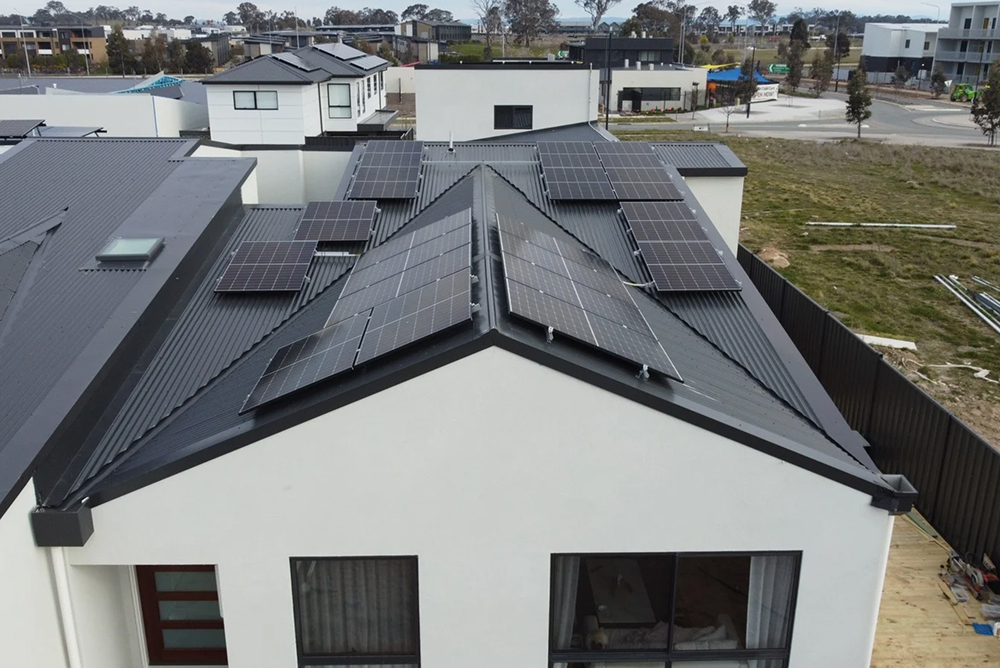
Australia has emerged as one of the world’s most exciting renewable energy markets, driven by strong rooftop solar adoption, growing consumer awareness, and increasing demand for energy independence. While solar energy has been at the forefront of Australia’s clean energy transition for more than a decade, the next stage of this transformation is being powered by battery storage.
Across the country, households, businesses, developers, and governments are recognising that generating renewable energy is only one part of the equation. To maximise the value of solar power and create a more resilient electricity system, energy must also be stored and used when it is needed most. This shift is driving significant growth in battery storage adoption and creating new opportunities for consumers to reduce electricity costs while increasing energy security.
One of the major catalysts behind this growth has been the introduction of various battery incentive programs across Australia. These initiatives are helping to reduce the upfront cost of battery systems and making energy storage accessible to a much broader range of households and businesses. As a result, the demand for battery storage is growing faster than many industry analysts initially predicted.
Australia’s energy market is undergoing a fundamental transformation. Historically, consumers relied entirely on large centralised power stations and electricity networks to meet their energy needs. The rapid adoption of rooftop solar challenged this model by enabling households to generate their own electricity during daylight hours. However, without storage, much of the excess solar energy generated during the day is exported to the grid, while households continue purchasing electricity during the evening when energy demand is highest.
This challenge has accelerated interest in home battery installation solutions that allow households to store surplus solar energy and use it later. By storing excess generation instead of exporting it immediately, homeowners can significantly increase their energy independence and reduce their reliance on the electricity grid.
The growing popularity of solar and battery installation systems demonstrates how consumers are increasingly viewing solar generation and battery storage as complementary technologies rather than separate investments. Instead of focusing solely on generating electricity, households are now prioritising the ability to manage, store, and optimise their energy consumption throughout the day.
The growth of battery adoption has been particularly evident over the past two years. Industry reports show record numbers of battery installations across residential markets, with thousands of Australians investing in storage systems to complement their rooftop solar systems. This surge in demand reflects broader changes in consumer behaviour, energy policy, and electricity market dynamics.
One of the primary reasons for this growth is the rising cost of electricity. Across Australia, energy prices have become a major concern for households and businesses alike. Consumers are actively searching for ways to reduce their electricity bills and gain greater control over their energy usage. Government-supported battery incentive programs have played an important role in making these investments more financially attractive by reducing initial purchase costs and improving return on investment.
The impact of a well-designed battery incentive extends beyond individual households. By encouraging greater adoption of battery storage, these programs help reduce pressure on the electricity grid during peak demand periods. As more consumers install batteries, the collective storage capacity available within the energy system increases, creating a more flexible and resilient network capable of supporting higher levels of renewable energy generation.
For many homeowners, the decision to proceed with a home battery installation is driven by the desire to maximise the value of their existing solar system. While rooftop solar panels can significantly reduce electricity bills during daylight hours, battery storage enables households to extend these savings into the evening and overnight periods when solar generation is no longer available.
A typical home battery installation allows homeowners to store surplus solar energy generated during the day and use it later when electricity demand increases. This reduces dependence on grid electricity and provides greater protection against rising energy prices. In some cases, battery systems can also provide backup power during outages, further increasing their value to homeowners.
The market for solar and battery installation solutions continues to expand as consumers recognise the benefits of integrating both technologies into a single energy management system. Rather than viewing batteries as an optional upgrade, many Australians now consider storage an essential component of a modern renewable energy setup.
A properly designed solar and battery installation system can significantly increase self-consumption rates, allowing households to use a greater proportion of the energy they generate. This improves overall system efficiency and enhances the financial returns associated with renewable energy investments.
Government support remains one of the strongest drivers of market growth. Various federal and state programs offering battery incentive schemes are encouraging households to invest in storage technologies that might otherwise remain financially out of reach. These incentives reflect a broader understanding that achieving Australia’s renewable energy goals will require not only increased renewable generation but also substantial investment in storage infrastructure.
The introduction of additional battery incentive programs is expected to further accelerate battery adoption over the coming years. Industry experts predict that as battery costs continue to decline and incentive programs expand, energy storage will become increasingly common across both metropolitan and regional Australia.
Beyond residential markets, battery storage is also becoming an important tool for businesses seeking to improve energy efficiency and reduce operating costs. Commercial facilities often face significant electricity expenses, particularly during periods of peak demand. Batteries provide an opportunity to store energy when prices are low and use it when electricity costs are highest.
Many businesses are now investing in solar and battery installation projects to reduce energy expenses while supporting sustainability objectives. These systems can improve operational resilience, reduce carbon emissions, and create long-term savings opportunities. As energy markets continue to evolve, integrated renewable energy solutions are becoming a key component of corporate energy strategies.
The benefits of home battery installation extend beyond cost savings. Energy independence has become an increasingly important consideration for Australian households. Extreme weather events, grid disruptions, and concerns about future energy prices are motivating consumers to invest in technologies that provide greater control over their energy supply.
A modern home battery installation offers households the ability to store energy locally and reduce their exposure to external market conditions. This capability has become particularly attractive in regions where electricity prices are high or grid reliability concerns exist.
Australia’s battery storage growth is also closely linked to the development of Virtual Power Plants (VPPs). These systems connect multiple batteries across different locations and allow them to operate collectively as a single energy resource. Through VPP participation, households can contribute stored energy to the grid during periods of high demand while potentially earning additional revenue.
As battery adoption continues to increase, the effectiveness of battery incentive programs will increasingly be measured not only by installation numbers but also by their ability to support broader energy system objectives. Encouraging participation in VPPs and other grid-support initiatives may become an important focus of future policy development.
The rapid growth of solar and battery installation projects is transforming the role of consumers within the energy market. Instead of simply purchasing electricity, households are becoming active participants capable of generating, storing, and managing their own energy resources. This shift represents one of the most significant changes in the history of Australia’s electricity sector.
The economics of battery storage are also improving. Advances in manufacturing, increased global production capacity, and technological innovation continue to reduce battery costs. These trends are making home battery installation more affordable and improving payback periods for consumers.
At the same time, electricity networks are increasingly recognising the value of distributed storage resources. Batteries can help manage peak demand, reduce network congestion, and support grid stability. As a result, battery storage is becoming an important component of Australia’s broader energy infrastructure strategy.
The future outlook for battery storage remains exceptionally strong. Analysts forecast substantial growth across residential, commercial, and utility-scale markets throughout the remainder of the decade. Continued support through battery incentive initiatives is expected to accelerate this growth and help Australia achieve its renewable energy objectives.
For homeowners considering renewable energy investments, solar and battery installation systems offer a compelling pathway toward greater energy independence and lower electricity costs. By combining generation and storage technologies, households can optimise energy usage and maximise the benefits of renewable power.
The increasing popularity of home battery installation solutions also reflects changing consumer expectations. Modern energy users are seeking greater flexibility, reliability, and control over their electricity consumption. Battery storage addresses these needs while supporting the broader transition to a cleaner and more sustainable energy system.
As Australia moves toward a future powered by renewable energy, battery storage will play an increasingly important role in ensuring reliability and efficiency. The success of this transition will depend not only on generating clean energy but also on storing and managing it effectively.
The expansion of battery incentive programs, the continued growth of home battery installation projects, and the widespread adoption of solar and battery installation solutions are collectively shaping the future of Australia’s energy landscape. Together, these developments are helping create a more resilient, sustainable, and consumer-focused electricity system.
Australia has already established itself as a global leader in rooftop solar adoption. The next chapter of the nation’s energy journey will be defined by battery storage. As technology advances, costs decline, and policy support continues, batteries are set to become a standard feature of Australian homes and businesses. The transition from solar generation to integrated energy management is well underway, and battery storage is rapidly becoming the foundation upon which Australia’s renewable energy future will be built.