Going Electric at Home: A Practical Guide for NSW Households

Power bills keep climbing, and more families are asking how to cut costs and reduce emissions at the same time. Home electrification in NSW means replacing gas and fossil-fuel appliances with efficient electric ones, then powering them with rooftop solar and a battery. This guide answers the most common questions in plain language.

What is the Cheaper Home Batteries Program?

The Cheaper Home Batteries Program is a federal initiative that lowers the upfront cost of installing a home battery. The discount is applied at the point of sale, so you pay less on your invoice instead of waiting for a refund. The Cheaper Home Batteries Program works best when the battery is paired with rooftop solar. Rules, discount levels and eligibility can change, so check the official government website or ask your installer for current figures before you buy.

Why choose a solar battery NSW households can rely on?

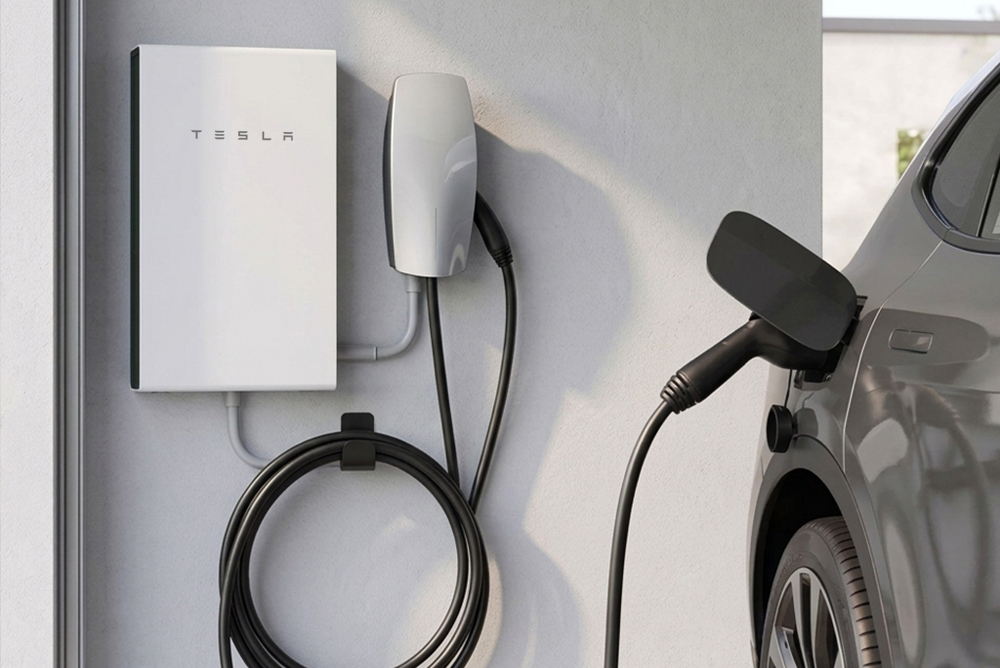
Solar panels produce most of their power in the middle of the day, but many households use the most electricity in the evening. A battery stores the extra solar energy so you can use it after sunset instead of buying it from the grid. A good solar battery NSW setup can also keep essential circuits running during an outage, depending on the system you choose. Look for a battery with a solid warranty, certified components and a local support team.

What does home battery installation involve?

A professional home battery installation usually follows these steps:

  1. Assessment: The installer reviews your power bills, roof, switchboard and daily energy use.
  2. Design and quote: They size the battery to suit your solar system and budget.
  3. Approvals: The installer arranges grid connection approval with your network provider.
  4. Installation: A licensed electrician mounts and wires the battery, often in one day.
  5. Commissioning: The system is tested, and you are shown how to monitor it through an app.

Always choose a Clean Energy Council-accredited installer and confirm that the battery is on the approved products list.

Key benefits of home electrification in NSW

  • Lower bills: Self-generated solar power costs less than grid electricity.
  • Less reliance on gas: Induction cooktops, heat pump hot water and reverse-cycle air conditioning use electricity efficiently.
  • Cleaner energy: Powering your home with the sun cuts household emissions.
  • Energy independence: Storage gives you more control over when and how you use power.
  • Higher property appeal: Efficient, modern homes attract buyers and tenants.

Frequently asked questions

Is the Cheaper Home Batteries Program available to every household?

Eligibility depends on factors such as the battery size, the product and your installer, so confirm the current criteria before signing a quote.


How long does home battery installation take?

Most residential jobs are finished within a day, though planning and approvals can add a few weeks beforehand.


Is a solar battery NSW system worth it if I already have panels?

Often yes, especially if you are home in the evenings or export surplus solar for a low feed-in tariff. A quote based on your own usage will show the likely payback.


Rising energy costs, government support and better technology make this a good time to upgrade. Home electrification in NSW is a staged process, so start with solar, add a battery, then swap appliances as they reach the end of their life. Get quotes from accredited local providers, compare warranties, and ask about current rebates before you commit.

Home

Services

Our Work

FAQs

Ask Away

Request a Quote

About Us

Contact Us