
Energy costs remain one of the biggest operational expenses for both businesses and households across New South Wales. As electricity demand continues to grow and the transition towards renewable energy accelerates, improving energy efficiency has never been more important.
To encourage this transition, the NSW Government introduced the Energy Savings Scheme (ESS)—one of Australia’s most successful energy efficiency initiatives. Designed to reward eligible energy-saving upgrades, the Scheme helps reduce electricity consumption while making energy-efficient technologies more affordable.
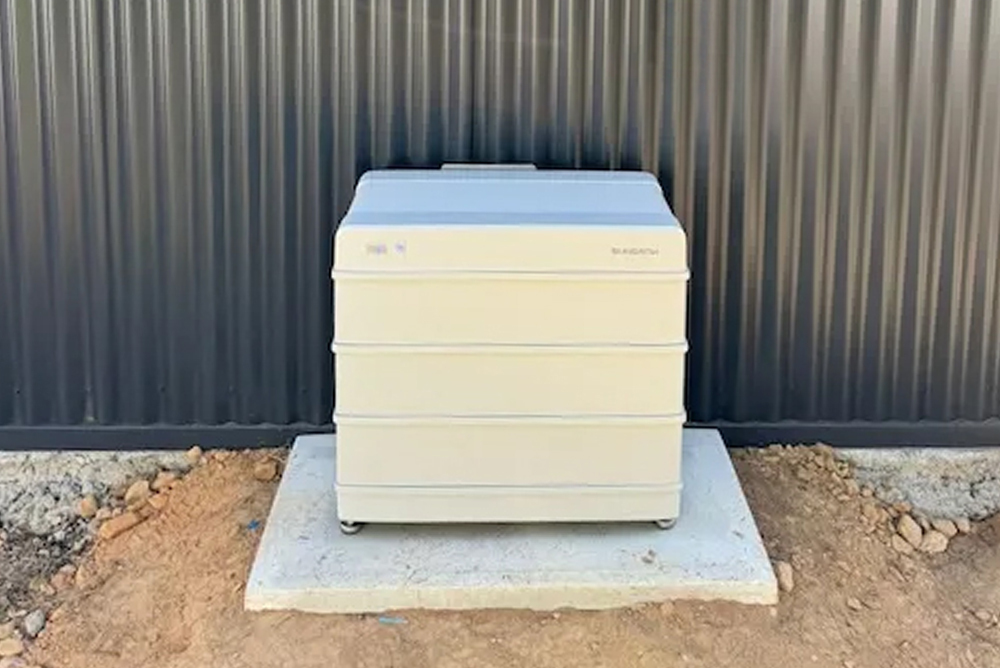
Alongside the ESS, recent initiatives such as the Cheaper Home Batteries Program are giving homeowners even greater opportunities to reduce their reliance on the grid by investing in battery storage. When paired with rooftop solar, these programs can significantly lower electricity bills while improving energy independence.
At Polygon Energy, we believe energy efficiency isn’t simply about reducing today’s electricity bill—it’s about building smarter, more resilient energy systems for the future. Whether you’re considering commercial solar, home batteries or broader energy upgrades, understanding how government incentives work is the first step towards maximising your return on investment.
In this guide, we’ll explain:
The NSW Energy Savings Scheme (ESS) is a market-based program established by the NSW Government to encourage households and businesses to reduce energy consumption through approved energy efficiency activities.
Unlike a traditional rebate program, the Scheme rewards measurable energy savings by creating Energy Savings Certificates (ESCs). Accredited providers generate these certificates after eligible upgrades have been completed and verified. Energy retailers then purchase these certificates to meet their legislative obligations under the broader Energy Security Safeguard.
This system helps lower the upfront cost of energy-efficient technologies while encouraging long-term reductions in electricity demand across New South Wales.
The Scheme supports upgrades including:
For many property owners, combining ESS-supported upgrades with the Battery program NSW creates an even stronger pathway towards reducing electricity costs while increasing energy resilience.
Energy efficiency is often called the “first fuel” because the cheapest unit of electricity is the one you never have to use.
Reducing energy consumption delivers benefits that extend well beyond lower electricity bills.
Businesses can improve operational efficiency, reduce maintenance costs, enhance workplace comfort and strengthen their environmental credentials. Homeowners enjoy lower household expenses, increased property value and improved protection against rising electricity prices.
Rather than building more electricity generation infrastructure, governments increasingly recognise that reducing unnecessary demand delivers faster and more affordable outcomes for consumers and the electricity network alike.
That’s why initiatives such as the ESS continue evolving alongside programs like the Cheaper Home Batteries Program, encouraging households to adopt smarter energy technologies.
The Scheme follows a structured process designed to reward verified energy savings.
An Accredited Certificate Provider (ACP) identifies opportunities to improve the energy efficiency of your home or business.
This may include:
Approved equipment is installed according to the technical requirements outlined in the ESS Rule.
Many homeowners also choose to combine these upgrades with professional Home battery installation, creating a complete renewable energy solution that stores excess solar energy for use after sunset.
The energy savings achieved are calculated using approved methodologies.
Accredited providers create Energy Savings Certificates based on these verified savings.
Certificate value is typically passed back to customers through:
The result is a more affordable pathway towards energy efficiency improvements.
While improving efficiency reduces how much electricity you consume, generating your own renewable energy reduces how much electricity you purchase.
This is where solar and battery systems become a natural complement to the Energy Savings Scheme.
Modern Solar and battery installation solutions allow households and businesses to generate clean electricity during the day, store excess power and use it during peak evening periods when electricity prices are highest.
As battery technology continues becoming more affordable, government initiatives including the Battery program NSW are helping accelerate adoption across the state.
At Polygon Energy, we view energy efficiency and renewable energy as complementary—not competing—strategies. Together, they create a smarter, more resilient energy future that delivers long-term financial and environmental benefits.
Government incentives can improve affordability, but system performance ultimately depends on the quality of the design, equipment and installation.
Choosing Quality solar systems NSW means selecting premium components that deliver reliable performance for decades rather than simply focusing on the lowest upfront price.
Likewise, working with an experienced Solar expert NSW ensures your energy system is tailored to your property’s energy usage, roof layout and future electricity needs.
At Polygon Energy, every project begins with a detailed assessment so that our clients receive solutions designed to maximise long-term energy production, financial returns and system reliability—not just today, but well into the future.
The NSW Government continues to refine the Energy Savings Scheme (ESS) to ensure it delivers genuine, measurable energy savings while maintaining high standards across the industry. The updated ESS Rule, effective from 1 July 2026, strengthens quality assurance, improves compliance requirements and supports more accurate calculation of energy savings.
For businesses and homeowners, these changes reinforce confidence that eligible upgrades are delivering real performance improvements rather than simply meeting minimum compliance standards.
As the Scheme evolves, working with an experienced energy partner becomes increasingly important. Understanding which technologies qualify, how incentives are applied and how different government programs can be combined requires specialist knowledge that goes beyond simply installing equipment.
At Polygon Energy, we stay up to date with the latest regulatory changes so our clients can make informed investment decisions that maximise long-term value.
The ESS supports a wide range of technologies designed to reduce electricity consumption across residential, commercial and industrial properties.
Common eligible activities include:
Many households are now combining these improvements with rooftop solar and battery storage, creating a comprehensive energy solution that reduces electricity imports from the grid throughout the day and night.
Solar panels generate the most electricity during daylight hours, but household electricity demand often peaks in the evening.
Battery storage bridges this gap by storing excess solar energy generated during the day for use after sunset.
Programs offering a Battery incentive are helping reduce the upfront investment required, making battery storage increasingly accessible for NSW households.
Professional Home battery installation also ensures that battery systems integrate safely with existing solar systems while providing reliable backup power and improved energy independence.
For homeowners planning a new renewable energy project, installing solar and batteries together often provides better long-term value than adding a battery several years later.
Australia’s energy transition is extending beyond solar panels.
Many households are replacing gas-powered appliances with efficient electric alternatives, including:
This movement towards Home electrification in NSW allows homeowners to maximise the benefits of renewable electricity generated from their rooftop solar systems.
When combined with batteries, electrification reduces fossil fuel dependence while lowering ongoing household energy costs.
As more families embrace Home electrification in NSW, demand continues to grow for integrated energy solutions that combine solar generation, battery storage and energy-efficient appliances into a single, future-ready system.
Although rooftop solar itself generally falls outside the Energy Savings Scheme, it works exceptionally well alongside ESS-supported energy efficiency upgrades.
A typical project may include:
This layered approach reduces electricity consumption first before generating clean renewable energy to meet the remaining demand.
Professional Solar and battery installation ensures each component works together efficiently, maximising self-consumption and reducing electricity purchased from the grid.
At Polygon Energy, we design integrated energy solutions rather than treating each technology as a standalone investment.
Not all solar systems deliver the same performance.
Panel efficiency, degradation rates, inverter quality and installation standards all influence long-term electricity generation.
When comparing suppliers, many homeowners understandably search for the Top solar panel in NSW, but the best solution isn’t simply the highest-rated panel—it’s the system that’s correctly designed for your property, electricity usage and future energy goals.
As a trusted Solar expert NSW, Polygon Energy evaluates every project individually to recommend premium equipment that delivers strong long-term performance rather than short-term savings.
Similarly, investing in Quality solar systems NSW provides greater reliability, improved warranties and stronger energy production over the life of the system.
Almost every business that consumes electricity can benefit from energy efficiency improvements, but some sectors typically achieve particularly strong returns.
These include:
Manufacturers often operate energy-intensive machinery throughout the day. Upgrading motors, drives, lighting and process equipment can significantly reduce electricity consumption.
Modern lighting, HVAC optimisation and smart building controls improve occupant comfort while lowering operating costs.
Large facilities with extensive lighting and refrigeration loads frequently achieve rapid payback periods through energy efficiency upgrades.
Educational facilities benefit from reduced operating costs while supporting sustainability objectives.
Hospitals and medical centres require reliable energy systems. Combining efficiency improvements with renewable energy can reduce operating expenses without compromising performance.
Retail businesses can reduce electricity costs through efficient lighting, refrigeration and air-conditioning upgrades while creating a more comfortable customer environment.
Government incentives help reduce project costs, but they don’t guarantee project success.
Every building has unique energy usage patterns, operating hours and future electricity requirements.
Working with experienced engineers ensures the right technologies are selected, correctly sized and professionally installed.
Polygon Energy combines engineering expertise, renewable energy design and practical project delivery to help businesses and homeowners maximise every available opportunity—from ESS-supported upgrades through to battery storage, solar systems and long-term energy optimisation.