
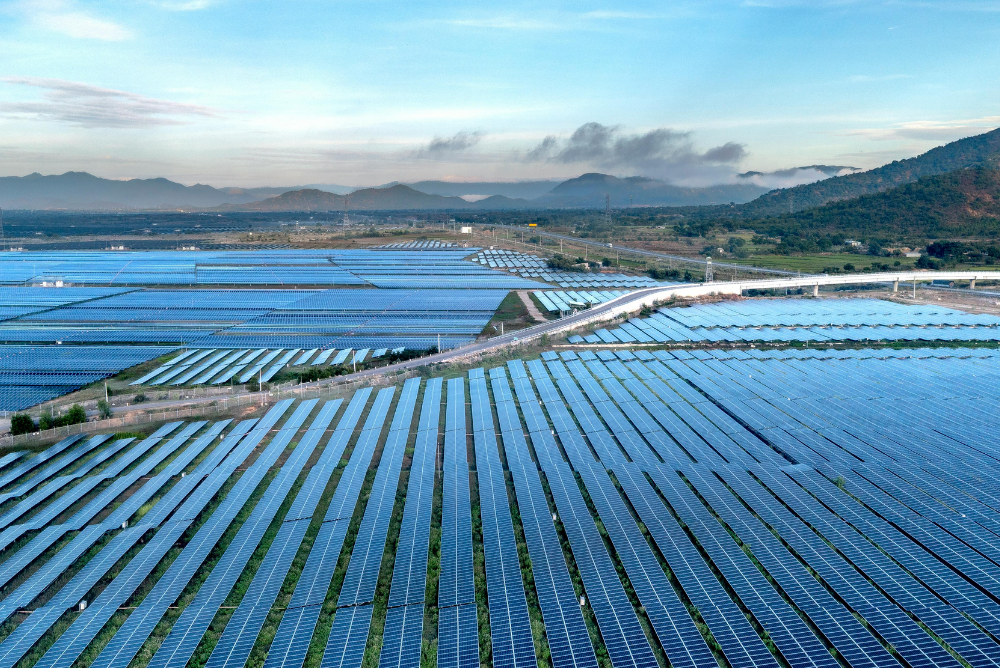
Energy independence is no longer theoretical—it is being engineered and deployed across real landscapes. In New South Wales and surrounding regions, the shift toward decentralised energy systems is accelerating. At the centre of this transition is the off grid solar system NSW, designed to operate independently, reliably, and sustainably.
A standalone off grid solar system is more than a collection of components. It is a fully integrated energy ecosystem—built to perform under real-world conditions, not ideal ones.
At Polygon Energy, off-grid systems are designed with one priority: long-term performance without compromise.
An off grid solar system NSW operates independently from the electricity grid. It generates power through solar panels, stores it in batteries, and distributes it as needed—without relying on external infrastructure.
A typical standalone off grid solar system includes:
This structure ensures a continuous and controlled energy supply—even in remote or high-risk environments.
The growing demand for off grid solar system NSW solutions is driven by practical realities—not just sustainability goals.
Grid outages, infrastructure failures, and environmental risks make independent systems more attractive.
A standalone off grid solar system eliminates ongoing electricity bills, offering predictable long-term economics.
In regional NSW, grid extension is often expensive or impractical. Off-grid becomes the logical alternative.
Bushfires, storms, and extreme weather events have reshaped how energy systems are designed.
The effectiveness of an off grid solar system NSW is best understood through real deployment.
Polygon Energy was engaged by Evoenergy to deliver a Standalone Power System (SAPS) for Gudgenby Cottage—a remote, bushfire-prone location in the ACT.
The site required a system that could:
Traditional grid solutions were not viable due to location and risk exposure.
Polygon Energy engineered a containerised standalone off grid solar system tailored for extreme conditions.
The system included:
This configuration ensured a balanced system—capable of handling variability while maintaining uninterrupted supply.
The deployment delivered measurable impact:
This project demonstrates how a well-designed standalone off grid solar system can go beyond energy savings—becoming critical infrastructure.
Designing a reliable off grid solar system NSW requires precision. Industry data highlights several critical considerations.
Modern systems prioritise lithium batteries for their:
This is essential for any standalone off grid solar system aiming for long-term reliability.
Solar generation fluctuates significantly:
Systems must be designed for worst-case scenarios—not averages.
Backup systems, like diesel generators, are not optional in remote setups. They ensure continuity during extended low-generation periods.
The Evoenergy project is a clear example of this layered reliability approach.
High-efficiency panels ensure optimal energy capture.
The backbone of any off grid solar system NSW, enabling continuous supply.
Convert solar energy into usable electricity for appliances and operations.
Provide essential redundancy in challenging conditions.
Allow real-time tracking, ensuring system optimisation and early issue detection.
Every standalone off grid solar system must be tailored.
Understanding energy consumption patterns is foundational.
Sunlight exposure, shading, and terrain directly impact performance.
Proper sizing ensures reliability without unnecessary cost.
Systems must perform consistently—even in winter or adverse weather.
Strict adherence to Australian safety and environmental standards is essential.
The cost of an off grid solar system NSW depends on:
Projects like the Evoenergy SAPS (~$250K–$269K range) highlight how large-scale, high-resilience systems are structured for critical infrastructure.
For residential users, costs are significantly lower but still require careful planning to ensure ROI and reliability.
| Feature | Grid-Tied | Off Grid Solar System NSW |
|---|---|---|
| Grid Dependency | Yes | No |
| Power During Outages | No | Yes |
| Battery Requirement | Optional | Essential |
| Long-Term Reliability | Moderate | High |
A standalone off grid solar system is ideal where reliability and independence are non-negotiable.
The adoption of off grid solar system NSW solutions is expected to grow rapidly due to:
Standalone systems are no longer niche—they are becoming essential in specific use cases.
At Polygon Energy, off-grid systems are engineered—not assembled.
Each standalone off grid solar system is:
The Evoenergy SAPS project reflects this approach—where reliability, safety, and precision come together.
An off grid solar system NSW is not just an energy solution—it is an infrastructure decision.
When designed correctly, a standalone off grid solar system delivers:
But the difference lies in design, not just equipment.
If you’re considering an off-grid transition, don’t rely on assumptions—look at proven outcomes.
Visit Polygon Energy to explore real case studies and see what engineered energy independence actually looks like.
If you are considering a standalone off grid solar system, the right expertise is critical.
Polygon Energy delivers engineered solutions backed by real project experience—from residential systems to critical infrastructure deployments.
Book a consultation today and move toward energy independence with confidence.