
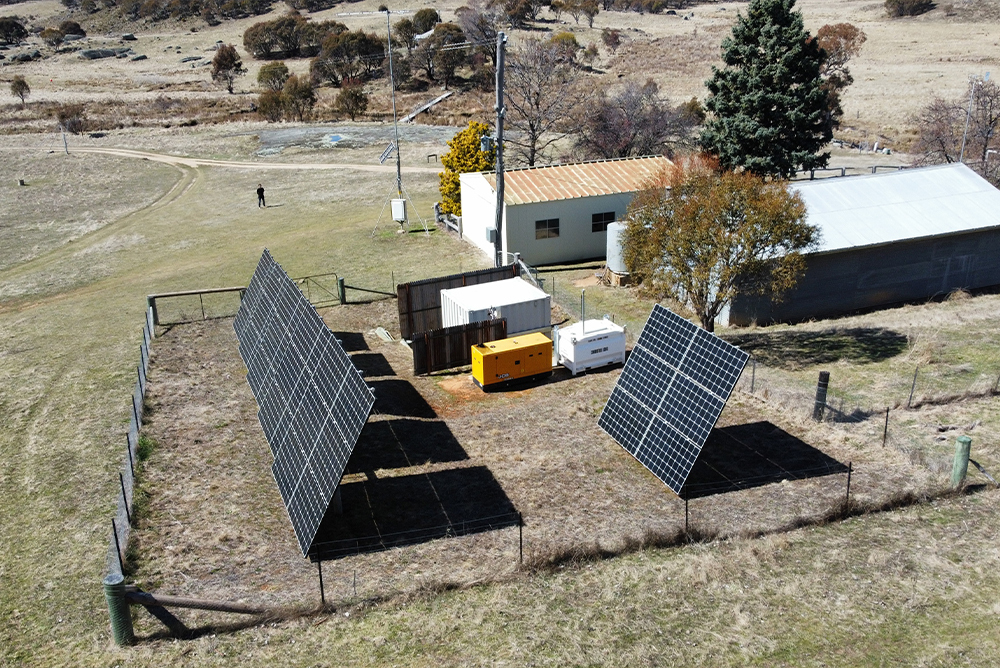
An off-grid solar project is not simply a solar installation without a connection to the electricity grid. It is a complete energy ecosystem that must generate, store, distribute and manage power reliably—often without the safety net of a conventional grid connection.
That makes the role of an experienced operations and maintenance (O&M) partner critical.
From commercial solar farms and remote facilities to agricultural operations, industrial sites and large-scale off-grid projects, system performance depends on much more than the quality of the solar panels or batteries installed. An off-grid system needs continuous monitoring, preventive maintenance, fault detection and technical expertise to ensure that energy remains available when it is needed.
For businesses investing in an off-grid solar project, choosing the right O&M partner should therefore be considered part of the project strategy—not an afterthought.
A grid-connected solar system can rely on the electricity grid when solar generation is insufficient. An off-grid project does not have that option.
The system must balance energy generation and consumption while managing battery storage, backup generation, loads and changing environmental conditions.
A typical commercial off-grid solar system may include:
All these components need to work together.
A fault in one part of the system can affect the performance of the entire energy network. This is why off-grid solar system maintenance requires a more proactive approach than simply checking whether individual solar panels are working.
For a commercial operation, electricity is directly connected to productivity.
If an off-grid solar system stops performing as expected, the impact can extend beyond lost solar generation. Critical equipment may be affected, battery reserves can decline and backup generators may need to operate more frequently.
A professional O&M partner continuously monitors system performance and identifies potential issues before they become major failures.
Remote monitoring can help track parameters such as:
This enables technical teams to respond quickly when performance moves outside expected operating conditions.
Waiting for an equipment failure is rarely the most cost-effective approach for a commercial solar project.
Preventive maintenance allows potential problems to be identified before they result in downtime or expensive repairs.
Regular inspections may include checking solar modules, cabling, inverters, batteries, switchboards, ventilation systems, protection equipment and other critical infrastructure.
For battery energy storage systems, maintenance is particularly important because battery performance can be affected by operating temperatures, charging patterns, state of charge and system conditions.
A structured solar O&M program helps businesses move from reactive maintenance to planned maintenance.
Commercial solar and battery systems represent a significant capital investment.
The objective should not simply be to make the system operational on day one. It should be to maintain reliable performance throughout its operating life.
Poor maintenance can contribute to:
An experienced O&M partner helps protect the original investment by ensuring that equipment continues to operate within appropriate conditions.
Battery storage is often the heart of an off-grid energy system.
Unlike a conventional grid-connected solar installation, an off-grid project may depend heavily on its battery system to provide energy when solar generation is unavailable.
This makes battery energy storage system maintenance an important part of overall project management.
An O&M team can monitor battery behaviour and identify unusual patterns, temperature variations, charging issues or other indicators of potential problems.
The goal is not only to keep the battery operational but also to support efficient energy management and extend the useful life of the storage system.
Off-grid systems need to balance generation with consumption.
For commercial projects, energy demand can change throughout the day depending on production schedules, machinery, refrigeration, pumps, lighting and other operational loads.
A capable O&M partner can use monitoring data to understand how the system is behaving and identify opportunities to improve energy utilisation.
This can include reviewing:
Better visibility can help businesses make informed decisions about how their energy infrastructure operates.
One of the biggest advantages of a dedicated O&M partner is having a technical team monitoring the system rather than waiting for someone on-site to notice a problem.
Modern monitoring platforms can generate alerts when equipment behaves unexpectedly.
For example, if an inverter experiences a fault, battery performance changes or solar generation drops unexpectedly, the issue can be investigated remotely before an engineer is dispatched.
This can reduce diagnostic time and help prioritise maintenance according to the severity of the issue.
For remote commercial sites, this can be particularly valuable because physical access may be difficult or expensive.
Many commercial off-grid systems incorporate generators as a backup energy source.
Generators can provide essential resilience, but running them unnecessarily can increase fuel consumption, operating costs and maintenance requirements.
A well-maintained solar and battery system can help maximise renewable energy utilisation and reduce unnecessary generator runtime.
Monitoring the interaction between solar generation, battery storage, loads and backup generation allows the system to operate more efficiently.
This is especially important for businesses looking to reduce both energy costs and their reliance on fossil-fuel-based backup power.
Commercial energy infrastructure must be maintained with safety in mind.
Electrical equipment, high-voltage systems, batteries, switchboards and associated infrastructure require appropriate inspection and servicing.
A professional O&M partner can help businesses maintain documented maintenance schedules, identify safety risks and ensure that issues are addressed appropriately.
This creates an important layer of operational assurance for businesses managing complex renewable energy assets.
O&M should not only be about fixing things when they break.
The best approach is to use operational data to continually understand and improve system performance.
Performance data can reveal trends that may otherwise go unnoticed—for example, gradual reductions in solar generation, changes in battery efficiency or increasing generator usage.
Over time, these insights can help identify opportunities for system optimisation and future upgrades.
This turns O&M from a maintenance expense into a tool for commercial solar performance optimisation.
Not every solar installer has the same level of capability when it comes to long-term off-grid operations.
Businesses should consider whether their O&M partner offers:
Remote system monitoring: Continuous visibility into system performance and alarms.
Preventive maintenance: Planned inspections rather than relying only on breakdown maintenance.
Battery expertise: The technical capability to monitor and maintain battery storage systems.
Rapid fault response: Clear processes for investigating and resolving system issues.
Performance reporting: Regular reporting that demonstrates how the system is performing.
Multi-technology expertise: Experience working across solar, batteries, inverters, generators, monitoring and energy management systems.
Commercial project experience: An understanding of the operational requirements of businesses and large energy assets.
An off-grid solar project is designed to provide energy independence and resilience. But those benefits depend on the system being properly operated and maintained after installation.
For commercial and industrial businesses, the question should therefore not simply be, “Who can install our off-grid solar system?”
It should also be, “Who will make sure our energy system continues to perform?”
A strong operations and maintenance strategy helps maximise uptime, protect equipment, optimise battery performance, reduce unnecessary generator use and identify problems before they become costly failures.
At Polygon Energy, the focus extends beyond the initial installation. For commercial and off-grid solar projects, having the right technical support and ongoing maintenance approach is essential to turning a renewable energy investment into a dependable long-term energy asset.
Whether it is a remote commercial facility, agricultural operation, industrial site or large-scale off-grid project, the right O&M partner can provide the monitoring, expertise and proactive support required to keep the system performing when the business depends on it.
Looking at an off-grid solar project for your business? Choosing the right operations and maintenance partner should be part of the project from day one—not something considered after installation.