
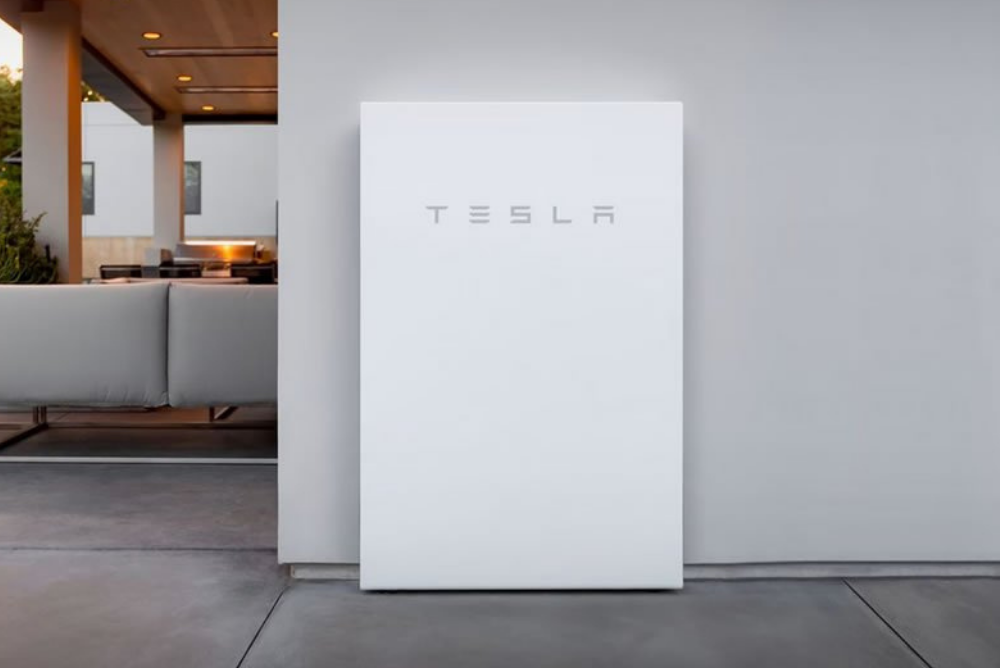
From 1 May 2026, the federal government adjusted the way Small scale Technology Certificates (STCs) are calculated for home batteries under the Cheaper Home Batteries Program.
Previously, battery rebates followed a broader flat structure. Under the updated rules, rebate support is now divided into battery capacity tiers, while STC values reduce every six months instead of once per year.
The updated structure now works like this:
At first glance, many homeowners assumed this meant battery rebates had been dramatically reduced. In reality, the government is shifting the focus toward efficient system sizing instead of oversized battery installations.
And honestly, that aligns closely with how we already design systems at Polygon Energy.
Despite the rule changes, the Cheaper Home Batteries Program still provides substantial upfront savings for eligible homeowners.
Most properly sized residential systems continue to receive rebate support that can reduce upfront battery costs by roughly around 30%, depending on:
For many households, this still represents thousands of dollars in savings.
The difference now is that homeowners are encouraged to install batteries that genuinely match their energy consumption patterns instead of overspending on unnecessary storage capacity.
One of the biggest misconceptions in the battery market is that bigger automatically means better.
In reality, most households do not need massive 30 to 50 kWh battery systems.
A properly designed 10 to 14 kWh battery is often enough to:
Under the updated rebate structure, this size range also falls into the strongest rebate category, where the full STC factor still applies.
That means homeowners who install a right sized battery can still access some of the best value available under the federal program.
At Polygon Energy, we see this as a positive shift for the industry. Instead of pushing oversized systems, the market is moving toward smarter energy design focused on actual household needs.
The new rebate structure rewards practical energy planning.
For example:
The key is understanding that the rebate is still available — it is simply structured to favour efficient sizing.
This is why professional energy assessment matters more than ever.
Another important update is how staggered or “one after the other” battery installations are treated.
Many homeowners now prefer a phased approach where they:
The updated rules still allow this approach in many situations, but each installation is assessed based on the rebate rules active at the time of installation.
This means:
For this reason, we recommend homeowners think beyond just today’s energy usage and consider future changes like:
Another major change after 1 May 2026 is the timing of STC reductions.
Previously, rebate values reduced annually. Now they reduce every six months.
That means delaying a battery installation for too long may reduce the available rebate amount over time.
While battery hardware prices may gradually continue falling in future years, electricity prices and grid uncertainty are also continuing to rise across many parts of Australia.
For many Victorian households, installing a battery sooner can still provide:
At Polygon Energy, we believe the latest changes are pushing the industry in a healthier direction.
The future of solar and battery storage is not about selling the largest system possible. It is about designing systems that:
A properly designed 10 to 14 kWh battery can still transform how a household consumes and stores energy.
And importantly, the federal rebate program still helps make that transition significantly more affordable.
| Scenario | Approx. rebate band | Notes |
|---|---|---|
| 10 kWh battery installed by 30 April 2026 | 100% of then-current STC factor | Higher absolute STC value due to pre-May factor. |
| 10 kWh battery installed May–Dec 2026 | 100% of new lower factor | Still strong discount, but STC value per kWh is lower. |
| Extra 10 kWh added later (20 kWh total) | 60% of the factor for 14–28 kWh band | Only the “extra” kWh above 14 fall into the 60% band. |
| Energy-hungry 40 kWh setup | Mix of 100%, 60%, and 15% bands | First 14 kWh fully supported, next 14 kWh at 60%, final 12 kWh at 15%. |